Primera voz
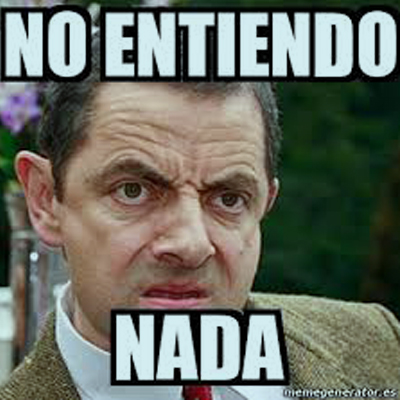
En Inglaterra, la científica y experta en comedia, la Dra. Helen Pilcher, hizo su estudio con más de 2,000 británicos. El resultado dio que el 67% se ríen de chistes que no entienden. Lo hacen para “encajar” en la sociedad, para caer bien, para que se tenga una imagen positiva de ellos. ¡Y el 56% admitió haber vuelto a contar el chiste sin entender aún el significado!
Eso, que suceda en un país donde se supone que existe una buena educación, una tradición cultural enorme y específicamente con tremenda fama de tener un sentido del humor muy fino, es sorprendente.
El estudio encontró que a 6 de cada 10 encuestados les gustaba pensar que eran ingeniosos, a pesar de que 7 de cada 10 a menudo necesitaban que les explicaran un chiste.
En las conclusiones de la investigación aparece que los chistes basados en conceptos desconocidos y juegos de palabras fueron los más difíciles de entender.
Y también demuestra lo tonto que somos los seres humanos, al preocuparnos tanto del “qué dirán”. ¿Por qué si no entendemos un chiste no lo confesamos y ya? ¿Qué puede pasar?
Bueno, otra variante de la tontería humana está en las otras respuestas que dan cuando no entienden un chiste: lo acusan de malo, aburrido, sin gracia.
De esa parte de la humanidad se aprovechan los humoristas mediocres para hacer chistes fáciles, sin elaboración artística, o vulgares, groseros o de burla ácida para asegurarse sus risas y aplausos.
Todo ayuda a la mala fama del humor.
Sabemos lo poco que se premian las obras humorísticas en los consursos literarios, cinematográficos, etc., por poner un ejemplo de lo que afecta esa mala fama.
Un amigo y colega me dijo una vez: un crítico va al teatro a ver una comedia. Se divierte, la pasa bien y cuando sale comenta “la obra no está lograda, no trasciende porque solo hace reír”. Y es raro, porque está creada para hacer reír y cumplió su cometido, porque hasta el critico rió. Y ese público rió con chistes de alto nivel, no es que rieron porque no entendieron y quisieron demostrar que sí lo comprendieron.
Hay un tipo de humor llamado “inteligente”. Para mí esa clasificación significa “el que logra que el público se sienta inteligente porque entendió el chiste, a pesar de la elaboración artística y el ingenio del creador”. Mientras más les cuesta descifrarlo, con mayor placer reirá y más inteligente se sentirá. Y lo máximo es que logre descifrarlo y encima capte un mensaje que lo haga pensar, sentir y reír a la vez.
La pregunta aquí es: ¿qué hay que hacer entonces para conseguir entender más chistes “inteligentes”.
No es necesario ir a la universidad. Simplemente debemos observar más lo que sucede a nuestro alrededor, estar actualizado, ser más curiosos, buscar las respuestas cuando no entendemos algo, cuestionarlo todo. Y algo que ayuda muchísimo: leer lo que más se pueda y consumir la mayor cantidad de arte que pueda… ¡Y, por favor, no se tome tan en serio la vida!
¿No es cierto, Osvaldo?
Pepe Pelayo
Segunda voz
Este estudio no hace más que confirmar el vacío mental que se cultiva en este siglo XXI, especialmente en los llamados países democráticos, es decir, donde las sociedades están dormidas en el culto al ego, las apariencias, los influencers… Si muchos dicen haberse reído de un meme, una broma, una situación cómica, entonces yo también debo decir que me pareció muy gracioso e incluso me convertí en difusor de esta estupidez que en realidad no es más que un «el rei está desnudo». La mediocridad de los creadores triunfa en este terreno, donde lo más importante es el número de seguidores, más que la calidad del chiste, de la idea.
Lo importante es estar a la moda, en la movida global, tener muchos likes y hacer que los demás vean que también se rieron, o bien que, como tantos otros, no se rieron y lo denunciaron como una afrenta, una ofensa a «algo» (principalmente porque les resulta incomprensible).
Debido a esta pasividad, a una sociedad que no quiere pensar, convencida de que no necesita luchar por sus derechos, aunque solo sea el derecho a reír con inteligencia y profundidad, se está deseducando a las personas. La gente ha perdido el arte del pensamiento abierto, de reaccionar ante las incongruencias, de disfrutar de la burla de los contrastes, porque se niega a usar su mente en procesos de pensamiento más elaborados. La gente busca cada vez más mensajes directos, aunque a la larga resulten falsos. Desde la comodidad de su sofá, su teléfono móvil, su tableta, quieren estar conectados a todo y a nada, luchando, en última instancia en el ámbito digital, por temas y asuntos distantes que no les inquietan, que en realidad no interfieren en su hermosa vida cotidiana.
Siempre ha existido un desprecio por parte de quienes ostentan el poder hacia el humor, entendiendo esta experiencia vivida como un temor a ser ridiculizados por el pueblo, por sus súbditos. La altanería del público en general es menos lógico. Existe un desdén por aquello que los obliga a pensar, y el humor, al ser mucho más complejo, si no se limita a un simple chiste, tiene menos seguidores e incluso es rechazado porque… obliga a pensar.
Así, se produce un letargo, una disminución del ejercicio mental, que, según los expertos, se agravará con el uso de la inteligencia artificial. Sin defender la censura (aunque en realidad una de las formas más graves de censura existe en la democracia: la corrección política), la realidad es que las personas que viven en países con menor libertad de expresión terminan siendo más creativas, irreverentes, audaces, con más sentido del humor y riéndose (en secreto) de la podredumbre de la sociedad y del poder. En estos países hay muchos más humoristas y amantes del buen humor que en aquellos países anticuados y obsoletos, adictos a la pasividad "democrática".
¿Quién ríe más y mejor? Quienes se han liberado de conceptos y prejuicios morales, de tabúes sociales, religiosos y culturales, de las ataduras de tribus, pandillas, afectos y redes sociales. Cuando nos liberamos de todo eso, no solo logramos reírnos con nosotros mismos, sino también de nosotros, porque nuestro ego se desvincula de los comentarios ajenos. De la misma manera, también reímos más con los demás y de todo lo que nos rodea, porque no tenemos miedo de reír, de filosofar sobre la vida.
Un ser ajeno a la estupidez social vuela más lejos, alzando el vuelo con una visión humorística de lo verdaderamente importante en la vida, de la realidad, de lo que los poderosos pretenden imponernos, cegándonos.
El problema actual del humor es que los políticos quieren usurpar el espacio de los comediantes, creando humor de mala calidad y llenando el tiempo y el espacio vital de la gente con su grotesca existencia. El problema actual es que la gente piensa cada vez menos por sí misma y es incapaz de ser seria, existiendo como grotescas sombras en la caverna de Platón.
Osvaldo Macedo de Sousa

Osvaldo Macedo de Sousa

Pepe Pelayo
Counterpoints for two voices | Do I have to explain the joke to you?
By: Osvaldo Macedo de Sousa and Pepe Pelayo
First Voice
In England, scientist and comedy expert Dr. Helen Pilcher conducted a study involving more than 2,000 Britons. The results showed that 67% laugh at jokes they do not understand. They do it in order to “fit in” socially, to be liked, to project a positive image of themselves. And 56% admitted to repeating the joke later without still understanding its meaning!
The fact that this happens in a country supposedly known for good education, a vast cultural tradition, and especially for having a famously sophisticated sense of humor, is surprising.
The study found that 6 out of 10 respondents liked to think of themselves as witty, despite the fact that 7 out of 10 often needed jokes to be explained to them.
The research concluded that jokes based on unfamiliar concepts and wordplay were the most difficult to understand.
And it also demonstrates how foolish human beings can be when we worry so much about “what others will say.” Why, if we do not understand a joke, don’t we simply admit it? What could possibly happen?
Well, another variation of human foolishness appears in the other reactions people have when they fail to understand a joke: they accuse it of being bad, boring, or unfunny.
Mediocre humorists take advantage of that side of humanity by making easy jokes, lacking artistic elaboration, or vulgar, crude, and aggressively mocking jokes in order to guarantee laughter and applause.
All of this contributes to humor’s bad reputation.
We know how rarely humorous works are rewarded in literary, film, and other artistic competitions, just to mention one example of how that bad reputation affects humor.
A friend and colleague once told me: a critic goes to the theater to watch a comedy. He enjoys himself, has a good time, and when he leaves he comments, “The play is not fully accomplished; it lacks transcendence because it only makes people laugh.” And that is strange, because it was created to make people laugh, and it fulfilled its purpose, since even the critic laughed. And the audience laughed at high-level jokes; they were not laughing because they failed to understand them and wanted to pretend that they did.
There is a type of humor called “intelligent humor.” To me, that classification means “the kind that makes the audience feel intelligent because they understood the joke, despite the artistic elaboration and ingenuity of the creator.” The harder it is to decipher, the greater the pleasure when laughing, and the smarter the audience feels. And the ultimate achievement is when someone manages to decipher it and, on top of that, grasps a message that makes them think, feel, and laugh at the same time.
So the question here is: what should we do in order to understand more “intelligent” jokes?
There is no need to go to university. We simply need to pay more attention to what happens around us, stay informed, become more curious, look for answers when we do not understand something, and question everything. And something that helps enormously: read as much as possible and consume as much art as you can… And please, do not take life so seriously!
Isn’t that right, Osvaldo?
Pepe Pelayo
Second Voice
This study only confirms the emptiness of the mind cultivated in this 21st century, especially in so-called democratic countries, that is, where societies are asleep in the cult of ego, appearances, influencers… If many people say they laughed at a meme, a gag, a comical situation, then I also have to say that I found it very funny and even become a disseminator of this stupidity that in reality is just a "the King has no clothes". The mediocrity of the creators wins in this field where the most important thing is the number of followers rather than the quality of the joke, of the thought.
The important thing is to be on the trend, in the global movement, to have many likes, and to make others see that he also laughed, or else that, like many others, he did not laugh and denounced that it is an affront, an offense to "something" (mainly because it is incomprehensible to him).
Due to this passivity, of a society that doesn't want to think, convinced that it doesn't need to fight for its rights, even if only the right to laugh intelligently and profoundly, it is miseducating individuals. People have lost the art of unfolded thought, of reacting to incongruities, of enjoying the burlesque of contrasts, because they refuse to use their minds in more elaborate thought processes. People increasingly want direct messages, even if they are eventually false. In the comfort of their sofa, their cell phone, their tablet, they want to be connected to everything and nothing, fighting, eventually in the digital realm, for distant themes and issues that don't bother them, that don't really interfere with their beautiful daily lives.
There has always been a disdain from those in power towards humor, understanding this lived experience as a fear of being ridiculed by the people, by their subjects. The disdain of the general public is less logical. There is a disdain for what forces them to think, and humor, being much more complex, if it is not just a basic comedic gag, has fewer followers and is even rejected because… it forces one to think.
Thus, there is a lethargy, a decrease in mental exercise, which, according to scholars, will be aggravated by the use of artificial intelligence. Without defending censorship (although in reality one of the most serious forms of censorship exists in democracy, which is political correctness), the reality is that people who live in countries with less freedom of expression end up being more creative, irreverent, daring, more humorous, and laughing (secretly) at the rottenness of society and power. There are far more comedians and appreciators of good humor in these countries than in the old and outdated countries addicted to "democratic" passivity.
Who laughs more and better? Those who have detached themselves from moral concepts and prejudices, from social, religious and cultural taboos, from the shackles of tribes, gangs, affections and social networks. When we are detached from all of that, we not only manage to laugh with ourselves, but also at ourselves, because our ego is detached from the comments of others. In the same way, we also laugh more with others and at everything around us, because we are not afraid to laugh, to philosophize about life.
A being detached from social stupidity flies further, gaining wings with a humorous vision of what is truly most important in life, of what reality is, of what those in power want to shove down our throats, blinding us.
The current problem with humor is that politicians want to seize the space of comedians, making bad comedy, filling the time and living space of the flock with their grotesque existence. The current problem is that people think less and less for themselves and cannot be serious people, existing as grotesque shadows in Plato's cave.
Osvaldo Macedo de Sousa
(This text has been translated into English by ChatGPT)