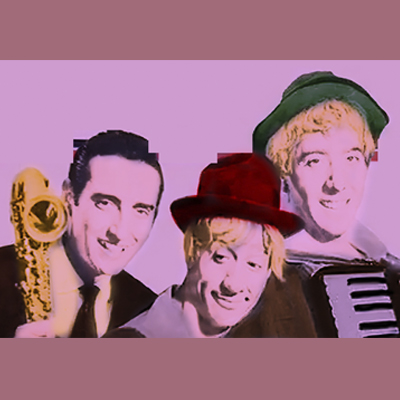
Oigo en un vídeo de Youtube una historia que desconocía sobre Los Payasos de la Tele en Cuba: cómo se enfrentaron a Fidel Castro un día de 1959 en que el comandante interrumpió su programa para hacer proclamas socialistas a los niños. Me queda la duda de si las cosas acontecieron realmente así o si se trata más bien de una leyenda urbana, pero luego he visto en internet una entrevista con Fofito en que viene a confirmarla. En cualquier caso, lo que más me interesa del asunto es el conflicto entre el humor y el totalitarismo, sobre el que me gustaría dejar una reflexión en este artículo.
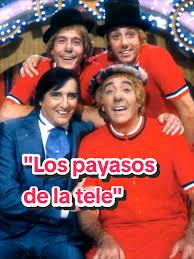
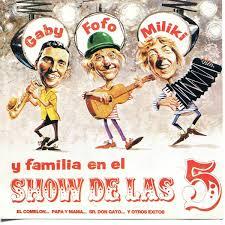
Pero vamos por partes. Debo empezar diciendo que Los Payasos de la Tele (Gaby, Fofó y Miliki, y también Fofito –hijo de Fofó–, llamados así en España por el programa de televisión que inauguraron en 1973) marcaron toda mi infancia. No digo “influyeron” o “condicionaron”, sino “marcaron”. Para bien, se entiende. Para mucho bien. Marcaron toda mi infancia y, por ende, también mi vida entera, porque, como se sabe, la infancia es la patria del hombre y lo que nos marca entonces nos modela para siempre.
¿Por qué digo que marcaron mi infancia, y para bien? Porque la hicieron más divertida y feliz, pero, sobre todo, mejor. Le dieron alegría, ilusión, inocencia… Una alegría, una ilusión y una inocencia que, de alguna manera, aún viven en mí. Sin ellos, yo hoy sería otro, distinto, peor. Porque, además, ellos llegaron a mi vida en el momento justo. Vi su programa desde el inicio, desde el primer día. Se estrenó el 29 de julio de 1973, menos de un mes después de que yo cumpliera los seis años. Y se emitió hasta octubre de 1983, cuando tenía 16. Claro, entonces ya nos los veía, pero había dejado de seguirlos solo un poco antes. Con esto quiero decir que llenaron TODA mi infancia, y escribo “toda” en mayúsculas para que quede claro. Fui tan feliz con ellos, les debo tanto, les estoy tan agradecido que cuando terminé la carrera de Periodismo y empecé a trabajar, mi mayor ilusion era llegar a entrevistarlos, pero, por desgracia, nunca pude realizar ese sueño.
La triste muerte de Fofó
De los cuatro Payasos de la Tele (sobradmente conocidos en Hispanoamérica, porque trabajaron y triunfaron en Cuba, Puerto Rico, EEUU y Argentina, especialmente), mi favorito, como sospecho que el de la mayoría de los niños de mi generación, era Fofó, el augusto (Gaby actuaba de clown y Miliki, y luego también Fofito, de contraaugusto. Cuando murió prematuramente, a los 53 años, en 1976 (yo tenía ocho), y además de un modo tan trágico como inesperado, el “shock” que experimenté (que experimentamos todos los niños españoles) fue inmenso. Recuerdo brevemente las circunstancias: había sido operado de un tumor cerebral benigno y, cuando ya estaba recuperado de semejante susto (que nos heló la sangre a todos los españoles, niños y mayores) en unas semanas falleció de una hepatitis fulminante de la que se contagió en una transfusión de sangre recibida para poder ser operado del tumor.
Decía que mi “payaso de la tele” favorito era Fofó, pero cuando murió ese lugar pasó a ser ocupado por Miliki, al que llegué a adorar. Lo seguí disfrutando hasta muy mayor (yo: él más, por supuesto). Recuerdo con un cariño inmenso su disco y espectáculo “A mis niños de treinta años”; disco que compré y espectáculo que fui a ver en directo. Por cierto que yo ya estaba más cerca de los cuarenta que de los treinta. Cuando falleció en 2012, a pesar de que él ya tenía 83 años, lo lamenté tanto como cuando falleció Fofó. Y lo mismo me pasó cuando murió Gaby en 1995, a los 74 años.
Un programa para “jugar con los niños”
Pero volvamos a la historia de Los Payasos de la Tele y Fidel Castro. Lo que está fuera de toda duda es que, cuando triunfó la revolución, Gaby, Fofó y Miliki eran ya las grandes estrellas de la televisión cubana. Y también que, obviamente, el Gobierno revolucionario quería pasar a controlarla para hacer de ella su mejor arma propagandística. E igualmente que apenas unos meses después los Payasos de la Tele abandonaron precipitadamente Cuba, dejando “tres casas, tres coches y dos circos”, como dijo Fofito en esa entrevista en internet de la que les hablaba el comienzo de este artículo. Llevaban trece años en el país y tenían la nacionalidad cubana.
Veamos como contaba esa historia el propio Fofito:
–Es cierto que Fidel Castro fue figurante del programa de tu padre y tus tíos?
–¿Figurante? ¡No! Fue a hacer campaña al programa de Gaby, Fofó y Miliki. Llegó al programa como Fidelito, vestido de militar, y quiso hablar de política. Pero mi padre le dijo que era un programa para jugar con los niños. Muy hábilmente, Gaby lo sacó de la política y lo metió en las canciones. Nunca hemos tocado el tema político en la familia. Viajamos a otros países y no tenemos por qué meternos con los políticos de ningún país y menos viniendo del extranjero.
“¿De qué le sirve al hombre ganar el mundo si pierde su alma?”
Como decía más arriba, esta historia confirmada por Fofito me da pie para reflexionar sobre el humor y el totalitarismo, o, más bien, sobre el humor versus el totalitarismo. Se suele decir –tal vez non con estas mismas palabras– que el humor es un disolvente del pensamiento y de los regímenes totalitarios, su mejor antídoto. Y yo así lo creo. Me parece, por ejemplo, que reírse a la cara del torturador mientras te está torturando resulta demoledor para él. Alguno dirá: “¿Y de qué le sirve al torturado?”. De mucho, creo. Porque no sé si el torturador disfruta más de los efectos de la tortura sobre el cuerpo de su víctima o sobre el alma, es decir, contemplando el terror y la desesperación que se apoderan del torturado. Pero si, en vez de esto, lo que hay es una risa franca, el poder del torturador se desvanece. “¿De qué le sirve al hombre ganar el mundo entero si pierde su alma?”, pregunta Jesús en los Evangelios. Pues bien, el torturado que se ríe en la cara del torturador le está demostrando que no ha perdido su alma, a diferencia, precisamente, de su verdugo, que al torturar decrece como persona hasta desaparecer.
Hasta aquí mi reflexión sobre el humor –particularmente, el del payaso– y el totalitarismo, siempre torturador. Pero no puedo ni quiero terminar este artículo sin aclarar qué es un payaso. En este sentido, tengo una anécdota personal impagable que quiero compartir con ustedes. En realidad, ya la conté aquí en otra ocasión, pero creo que viene al caso recuperarla. Hace unos años, estaba yo tomando algo una noche con unos amigos cuando, en el transcurso de la conversación, salió a colación la figura del payaso, y yo pregunté, precisamente, eso: qué es ser payaso. Mi ahijado, que iba a cumplir trece años, contestó con seguridad: “Ser payaso es humillarse a sí mismo”. La respuesta nos desconcertó a todos, e incluso su madre dijo: “¿Humillarse? ¡No, eso nunca; eso es horrible!”. Yo, después de pensarlo un momento, apunté: “Pues sí, creo que es una buena respuesta”. Pero, para cerciorarme, acudí al diccionario (ya saben que ahora lo podemos llevar en el teléfono móbil) y leí: “Humillarse: hacer actos de humildad”. “Humildad: virtud que consiste en el conocimiento de las propias limitaciones y debilidades, y en obrar de acuerdo con este conocimiento”. Efectivamente, eso es lo que hace el payaso: saberse limitado y débil, y obrar en consecuencia. Y eso es lo que nos hace reír, porque, más allá de que sus torpezas resulten cómicas, todos nos sentimos identificados con él de alguna manera, y sus limitaciones y debilidades, unidas a su gran corazón, nos tocan el alma. En definitiva, lo que hace el payaso es reírse de sí mismo. Luego le pregunté a mi ahijado de dónde había sacado esa repuesta, y me dijo que la había oído en una película.
Por cierto –y vuelvo a los Payasos de la tele– que los herederos de Gaby, Fofó y Miiki, con Emilio Aragón Álvarez –el hijo de Miliki– a la cabeza, estrenaron en 2024 el espectáculo teatral “Había una vez, mi familia”, con el que homenajean a toda una saga de payasos y de artistas de circo, y que imagino aún se estará representando por España. Y ya que he mencionado a Emilio Aragón hijo –el popular Milikito de los Payasos de la Tele–, les recuerdo que es payaso, humorista, actor, presentador de televisión, cantante, músico, director de orquesta, director de cine y empresario audiovisual y, por si fuera poco, piloto de aviación. Y a todo eso hay que poner la coletilla “de éxito”. Algo que los envidiosos, que en España son muchos, no perdonan. Pero esa es otra historia que aquí no tiene cabida.
Sirva este artículo para manifestar yo también mi particular homenaje a esta maravillosa familia de payasos y artistas circenses que supieron “jugar con los niños”, como le dijo Fofó a Fidel Castro, y plantar cara al totalitarismo.
Oh, Humor, Oh, Humor | The TV Clowns
By Félix Caballero
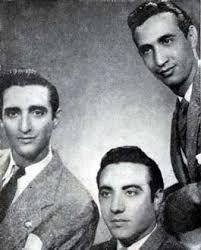
I heard in a YouTube video a story I did not know about The TV Clowns in Cuba: how they stood up to Fidel Castro one day in 1959 when the comandante interrupted their program to make socialist proclamations to children. I am still unsure whether things truly happened that way or whether it is more of an urban legend, but later I found an interview online with Fofito in which he seems to confirm it. In any case, what interests me most about the matter is the conflict between humor and totalitarianism, on which I would like to offer a reflection in this article.
But let us proceed step by step. I must begin by saying that The TV Clowns (Gaby, Fofó, and Miliki, and later also Fofito—Fofó’s son—called that in Spain because of the television program they launched in 1973) shaped my entire childhood. I do not say they “influenced” or “conditioned” me, but rather that they “shaped” me. In a positive sense, of course. In a profoundly positive way. They shaped my whole childhood and, therefore, my whole life, because, as is well known, childhood is the homeland of human beings, and whatever marks us then molds us forever.
Why do I say they shaped my childhood for the better? Because they made it more fun and happier, but above all, better. They gave it joy, hope, innocence… A joy, hope, and innocence that somehow still live within me. Without them, I would be someone else today—different, worse. And besides, they came into my life at exactly the right moment. I watched their program from the very beginning, from the very first day. It premiered on July 29, 1973, less than a month after my sixth birthday. It remained on the air until October 1983, when I was sixteen. Of course, by then I no longer watched them regularly, but I had stopped following them only a short time earlier. What I mean is that they filled my ENTIRE childhood, and I write “entire” in capital letters to make it clear. I was so happy with them, I owe them so much, I feel so grateful to them that when I finished my journalism degree and started working, my greatest dream was to interview them. Unfortunately, I was never able to fulfill that dream.
The Sad Death of Fofó
Of the four TV Clowns (widely known throughout Latin America, since they worked and triumphed in Cuba, Puerto Rico, the United States, and especially Argentina), my favorite—as I suspect was the case for most children of my generation—was Fofó, the august clown (Gaby played the white clown, while Miliki, and later Fofito as well, played the contra-august). When he died prematurely at the age of fifty-three in 1976 (I was eight years old), and in such a tragic and unexpected way, the shock I experienced (the shock all Spanish children experienced) was enormous. I briefly recall the circumstances: he had undergone surgery for a benign brain tumor and, just when he had recovered from such a frightening ordeal (which chilled all Spaniards, both children and adults), he died a few weeks later from fulminant hepatitis contracted through a blood transfusion he had received during the operation.
I said that my favorite “TV clown” was Fofó, but after his death that place was taken by Miliki, whom I came to adore. I continued enjoying him until I was much older (me; he even older, of course). I remember with immense affection his album and stage show A mis niños de treinta años (“To My Thirty-Year-Old Children”); I bought the album and attended the live performance. By then, incidentally, I was already closer to forty than to thirty. When he died in 2012, despite being eighty-three years old, I mourned him just as deeply as I had mourned Fofó. The same happened when Gaby died in 1995 at the age of seventy-four.
A Program “to Play with Children”
But let us return to the story of The TV Clowns and Fidel Castro. What is beyond all doubt is that when the Revolution triumphed, Gaby, Fofó, and Miliki were already major stars on Cuban television. It is equally obvious that the revolutionary government wanted to take control of television in order to turn it into its best propaganda weapon. And it is also true that only a few months later the TV Clowns abruptly left Cuba, abandoning “three houses, three cars, and two circuses,” as Fofito said in the online interview I mentioned at the beginning of this article. They had lived in the country for thirteen years and held Cuban nationality.
Here is how Fofito himself recounted the story:
—Is it true that Fidel Castro appeared on your father’s and uncles’ show?
—Appeared? No! He came to campaign on Gaby, Fofó, and Miliki’s program. He arrived dressed as “Fidelito,” in military clothing, and wanted to talk politics. But my father told him it was a program for playing with children. Very skillfully, Gaby steered him away from politics and into the songs. We have never dealt with political issues in our family. We travel to other countries and have no reason to interfere with the politicians of any nation, especially as foreigners.
“What Good Is It for a Man to Gain the Whole World If He Loses His Soul?”
As I said earlier, this story confirmed by Fofito gives me an opportunity to reflect on humor and totalitarianism—or rather, humor versus totalitarianism. It is often said—perhaps not in these exact words—that humor is a solvent of totalitarian thinking and regimes, their best antidote. And I believe that to be true. It seems to me, for example, that laughing in the face of a torturer while he is torturing you is devastating for him. Someone might ask: “And what good does that do the tortured person?” I think it does a great deal. Because I do not know whether the torturer enjoys more the effects of torture on the victim’s body or on the victim’s soul—that is, seeing terror and despair take hold. But if instead there is sincere laughter, the torturer’s power vanishes.
“What good is it for a man to gain the whole world if he loses his soul?” Jesus asks in the Gospels. Well then, the tortured person who laughs in the face of the torturer is proving that he has not lost his soul, unlike his executioner, who diminishes himself through torture until he disappears as a human being.
This concludes my reflection on humor—particularly clown humor—and totalitarianism, which is always torturous. But I cannot and do not want to finish this article without clarifying what a clown is. In that regard, I have a priceless personal anecdote I would like to share with you. In fact, I already told it here once before, but I think it is worth revisiting.
A few years ago, I was having drinks one night with some friends when, during the conversation, the figure of the clown came up, and I asked precisely that: what does it mean to be a clown? My godson, who was about to turn thirteen, answered confidently: “Being a clown means humiliating yourself.” The response left us all puzzled, and even his mother said: “Humiliating yourself? Never! That is awful!” After thinking about it for a moment, I replied: “Actually, yes, I think that is a good answer.”
To make sure, I consulted the dictionary (as you know, we can now carry one on our mobile phones) and read: “To humble oneself: to perform acts of humility.” “Humility: the virtue consisting in knowing one’s own limitations and weaknesses, and acting in accordance with that knowledge.” Indeed, that is what the clown does: he knows he is limited and weak, and acts accordingly. And that is what makes us laugh, because beyond the comic nature of his clumsiness, we all identify with him in some way, and his limitations and weaknesses, combined with his big heart, touch our souls. Ultimately, what the clown does is laugh at himself. Later I asked my godson where he had gotten that answer, and he told me he had heard it in a movie.
By the way—and returning to The TV Clowns—the heirs of Gaby, Fofó, and Miliki, led by Emilio Aragón Álvarez—Miliki’s son—premiered the stage show Había una vez, mi familia (“Once Upon a Time, My Family”) in 2024, paying tribute to an entire dynasty of clowns and circus performers. I imagine it is probably still touring throughout Spain. And since I have mentioned Emilio Aragón Jr.—the popular Milikito of The TV Clowns—let me remind you that he is a clown, humorist, actor, television host, singer, musician, orchestra conductor, film director, audiovisual entrepreneur, and, on top of all that, an airplane pilot. And to each of those titles one must add the phrase “successful.” Something that envious people—of whom there are many in Spain—do not forgive. But that is another story, one that has no place here.
Let this article serve as my own personal tribute to this wonderful family of clowns and circus artists who knew how to “play with children,” as Fofó told Fidel Castro, and who also knew how to stand up to totalitarianism.
(This text has been translated into English by Chat GPT)