Nueva York, a pesar de no ser la capital, es siempre un referente cultural en el territorio estadounidense; por ello, Mort Walker intentó instalar su Museo de Arte del Cartoon (Cartoon Art Museum) en el Empire State Building de Nueva York. Aunque esto no llegó a concretarse, la ciudad «que nunca duerme» es un universo de sorpresas y tentaciones. Así pues, continuaremos nuestra búsqueda de museos del humor por el mundo.
Comencemos por el MoCCA (Museum of Comic and Cartoon Art), creado en 2001 por Lawrence Klein. Lo hizo con gran entusiasmo, organizando exposiciones y conferencias, así como el festival anual MoCCA Fest; sin embargo, como hemos visto en otros casos, el entusiasmo no basta y, en 2012, la institución se vio obligada a cerrar sus puertas. Jim Salicrup, miembro de la junta directiva del MoCCA y editor jefe de Papercutz, señaló: «Una institución cultural como el MoCCA, dedicada a todas las formas de arte del cómic y los dibujos animados, era algo que Nueva York necesitaba desde hacía mucho tiempo». Era, por tanto, algo que no podía desaparecer; por ello, se solicitó ayuda a la centenaria Society of Illustrators (que este año celebra su 125.º aniversario), logrando así sobrevivir hasta hoy. A fin de cuentas, se trató simplemente de un cambio de ubicación, tal como indica el breve comunicado en su sitio web: «La colección permanente del Museo del Cómic y los Dibujos Animados (MoCCA) —anteriormente situada en la cuarta planta del número 594 de Broadway, cerca de East Houston Street— se encuentra ahora en el edificio de la Society of Illustrators, en el número 128 de East 63rd Street».
De este modo, una de las principales organizaciones de profesionales de las artes gráficas acoge en su sede las obras de sus asociados (y de otros artistas), complementando así su labor de preservación y difusión de este arte. Mantiene vivo el MoCCA Fest y cuenta con una planta dedicada a la exposición permanente, además de organizar muestras temporales en su Galería del Salón de la Fama. Como señaló la presidenta del MoCCA, Ellen Abramowitz: «La Society of Illustrators es la opción ideal para el MoCCA y sus miembros. Los principios fundamentales del MoCCA seguirán guiándose por la sólida labor de la Society y de su excelente equipo. Ambas organizaciones forman una combinación perfecta que ofrece a participantes, miembros y aficionados todo lo que buscan bajo un mismo techo en la ciudad de Nueva York. El hecho de ser acogidos en la sede de artistas y editores consagrados, de la mano de una organización de primer nivel, garantizará que los cimientos sobre los que se construyó el MoCCA sigan sosteniendo un futuro brillante». Aunque la esencia del museo se basa en el cómic y la caricatura, en internet prefieren referirse a este espacio como el Museum of American Illustration.
Las opiniones de las personas rara vez coinciden, motivo por el cual surgen diferentes partidos y asociaciones profesionales; así, paralelamente a la Society of Illustrators, y tras casi medio siglo (en 1946), otros ilustradores y caricaturistas optaron por crear su propia National Cartoonists’ Society. Se trata de una organización más exclusiva, también con sede en Nueva York, que no dispone de un espacio museístico físico. Sin embargo, su sitio web —que sirve de plataforma informativa sobre sus actividades y promociones— ofrece datos biográficos y material relativo a sus 600 miembros, convirtiéndose en una excelente ventana a este arte (http://www.reuben.org/main.asp). ¿Se trata de un museo digital?
El mundo digital ha llegado para transformar el universo de la comunicación, así como las vías de difusión e investigación de las artes. Lo real es fácilmente sustituido por la imagen virtual, lo que crea espacios y formas distintas de recorrer la historia. Es en este contexto donde surgen otras fórmulas de museología —quizás poco ortodoxas, pero activas en el nuevo mundo—.
La *Historical Graphics Gallery*, creada por el neoyorquino Jim Zwick (http://www.boondocksnet.com/gallery/political_cartoons.html), es otro espacio para la observación y difusión de la caricatura histórica que puede visitarse sin salir de casa.
Existen también ciertas galerías de humor creadas individualmente por artistas, como *The Art of Humor Gallery* (en Wilmington, Vermont), de Skip Morrow; aunque cuenta con una sede física, vive esencialmente de las ventas por internet. Otro ejemplo es el MOHA (*Museum of Humor Art*, un museo virtual de arte contemporáneo y *pop art* satírico fundado en 1994), creado por el cubano Nelson De La Nuez (La Habana, 1959), emigrado a Estados Unidos. Autodenominado «El Rey del Pop Art» (*The King of Pop Art*®), De La Nuez «es un iconoclasta nato que eleva temas del comercio, la cultura pop, la publicidad y el *branding* para ofrecer comentarios sobre nuestra cultura —mostrándonos que el mundo entero está en venta— de una manera que es, al mismo tiempo, irónica y aspiracional». Es decir, a pesar de toda la ironía, la sátira y la parodia presentes allí, no se trata de un museo, sino simplemente de un espacio comercial para sus obras.
Un referente estadounidense en materia de información y difusión es la Biblioteca del Congreso (*Library of Congress*) en Washington, que también alberga diversas colecciones de caricaturas. Todo comenzó en 1921, cuando adquirió una colección de diez mil grabados satíricos británicos procedentes de la Biblioteca Real del Castillo de Windsor. En 1974, este acervo se enriqueció con el depósito de la Colección Caroline y Erwin Swann de Caricatura y Cartoon, compuesta por más de 2000 dibujos, grabados y pinturas relacionados con el arte de la caricatura, el *cartoon* y la ilustración. Parte de esta colección puede consultarse en línea mediante los catálogos disponibles en http://lcweb2.loc.gov/pp/pphome.html.
Aunque el humor gráfico no siempre sea apreciado por los políticos ni por la política, se dice que en Virginia —más concretamente en Mount Vernon, la residencia de George Washington— existe un espacio museístico que explora la relación de este Padre de la Patria con el humor gráfico. Nada mejor que ir allí para comprobarlo.
Ya no existe, pero sigue siendo un referente el ToonSeum: Pittsburgh Museum of Cartoon Art (Pensilvania), creado en 2007 por el dibujante Joe Wos en un espacio del Children’s Museum of Pittsburgh. En 2009, gracias al apoyo del Pittsburgh Cultural Trust, consiguió un espacio propio en Liberty Avenue. Instituyó el Premio Nemo, otorgado a personalidades destacadas «por la excelencia en el arte del cómic y las caricaturas»; acogió en 2013 la conferencia norteamericana de la National Cartoonists Society; y organizó conferencias, talleres y exposiciones temáticas... En 2018, su dirección anunció el cierre. No hay más noticias sobre su colección.
Colección de arte del cómic, Virginia Commonwealth University (http://www.library.vcu.edu/jbc/speccoll/comicbk1.html); Museo Charles M. Schulz (http://www.schulzmuseum.org/); Colección de Arte del Cómic, Michigan State University (http://comics.lib.msu.edu/ http://comics.lib.msu.edu/otherlib.htm ); Museo de Arte del Cómic y la Caricatura (http://www.museumofcomicandcartoonart.org/); Museo y Centro de Investigación Jack Kirby (http://kirbymuseum.org/); Universidad de Florida, Colección de cómics de Suzy Covey en Colecciones Especiales (http://www.uflib.ufl.edu/spec/belknap/comics/comics.htm)
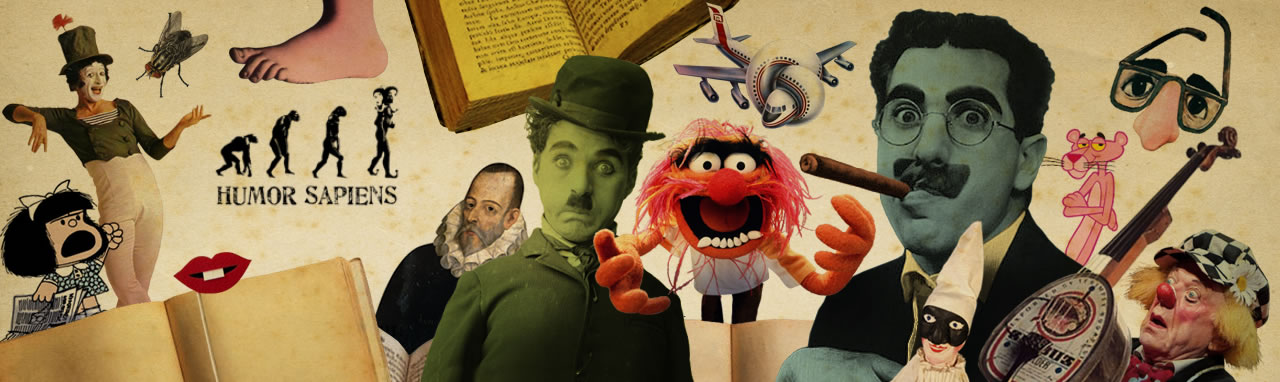
Para terminar —aunque sin concluir realmente, ya que, como he mencionado en varias ocasiones, este es un universo en constante cambio—, hablaremos de algunos espacios que, sin ser propiamente museos del dibujo humorístico, recorren el mundo del humor, ese arte que nos ha animado a lo largo de estos artículos. Veamos, pues, qué son el Museum of American Humor o el National Comedy Center (Jamestown, Nueva York); su sitio web afirma: «Nuestra misión es explorar, exhibir y rendir homenaje a la rica historia de la risa, el ingenio y los cojines de pedorretas. ¡Hay algo para todos los gustos!».
Organiza exposiciones inmersivas que proponen un viaje por la historia de la comedia, explorando las diversas corrientes de la comicidad literaria, dramática y cinematográfica. Alberga miles de objetos que abarcan desde Charlie Chaplin hasta los modernos comediantes de *stand-up*. No muy lejos de allí, esta institución también gestiona el Museo Lucille Ball Desi Arnaz, una casa museo dedicada a esta célebre pareja de la comedia estadounidense.
Así concluye mi búsqueda de museos del humor en el mundo. No fue tarea fácil, ya que fueron pocos los responsables de los museos que respondieron a mis correos electrónicos. Por otra parte, la inestabilidad de estas instituciones dificulta su supervivencia, pues suelen depender de la voluntad de una persona decidida y de ayudas económicas oficiales, algo especialmente complicado en el ámbito del humor. Sin duda, la información está incompleta y corre el riesgo de quedar desactualizada rápidamente, pero es lo que logré recopilar; tal vez sirva de ayuda a otros investigadores para realizar un trabajo de campo más exhaustivo.
Gracias a todos los que me apoyaron y colaboraron con sus respuestas.


Humor Museums Around the World | USA (II)
By: Osvaldo Macedo de Sousa
Although not the capital, New York is a cultural benchmark in the United States; this is why Mort Walker once attempted to establish his Cartoon Art Museum in the city's Empire State Building. That plan never materialized, yet the "city that never sleeps" remains a universe of surprises and temptations. And so, we continue our quest to explore humor museums around the world.
Let us begin with MoCCA—the Museum of Comic and Cartoon Art—founded in 2001 by Lawrence Klein. He launched the project with great enthusiasm, curating exhibitions, organizing conferences, and hosting the annual MoCCA Fest. However, as we have seen elsewhere, enthusiasm alone is not enough, and the museum was forced to close its doors in 2012. Jim Salicrup, a MoCCA board member and editor-in-chief at Papercutz, remarked: "A cultural institution like MoCCA, dedicated to all forms of comic and cartoon art, was something New York had long needed." It was an institution that simply had to survive, so it turned to the century-old Society of Illustrators (which is celebrating its 125th anniversary this year) for help, thereby ensuring its continued existence. Ultimately, it was merely a change of address, as stated in the brief announcement on its website: "The permanent collection of the Museum of Comic and Cartoon Art (MoCCA)—formerly housed on the fourth floor at 594 Broadway, near East Houston Street—can now be found at the Society of Illustrators building at 128 East 63rd Street."
In this way, one of the leading organizations for graphic arts professionals hosts the work of its members (and others) at its headquarters, complementing its mission to preserve and promote the art form. It keeps MoCCA Fest alive and houses a permanent exhibition floor, in addition to hosting temporary exhibitions in its Hall of Fame Gallery. As MoCCA President Ellen Abramowitz noted, "The Society of Illustrators is the ideal choice for MoCCA and its members. MoCCA’s core principles will continue to be guided by the steadfast work of the Society and its excellent team. The two organizations are a perfect match, offering participants, members, and fans everything they seek under one roof in New York City. Being hosted by a top-tier organization—a home for renowned artists and editors—ensures a bright future for the foundation upon which MoCCA was built." Although the museum remains rooted in the essence of comics and cartoons, it is officially referred to as the Museum of American Illustration.
Human opinions rarely align—which is why different political parties and professional associations are formed. Thus, nearly half a century later (in 1946), a group of illustrators and cartoonists chose to establish the National Cartoonists’ Society. This is a more exclusive organization; also based in New York, it does not maintain a physical museum space. However, its website—which serves as a hub for information on its activities and promotions—offers biographical details and material regarding all 600 of its members, ultimately providing an excellent window into this art form (http://www.reuben.org/main.asp). Is it a digital museum?
The digital world has transformed the realm of communication, as well as the channels for showcasing and researching the arts. The physical is easily replaced by the virtual image, creating new spaces and ways to explore history. It is within this context that alternative—perhaps unorthodox, yet active—approaches to museology are emerging.
The Historical Graphics Gallery, created by New Yorker Jim Zwick (http://www.boondocksnet.com/gallery/political_cartoons.html), is another venue for viewing and sharing historical cartoons that can be visited from the comfort of one's home.
There are also humor galleries created by individual artists, such as Skip Morrow’s "The Art of Humor Gallery" (in Wilmington, Vermont); although it has a physical location, it relies primarily on online sales. Another example is MOHA—the Museum of Humor Art (a virtual museum of contemporary art and satirical pop art established in 1994)—created by Nelson De La Nuez (Havana, 1959), a Cuban émigré to the United States. Dubbing himself "The King of Pop Art®," De La Nuez is "an iconoclast who elevates themes of commerce, pop culture, advertising, and branding to comment on our culture—showing us that the whole world is for sale—in a way that is simultaneously ironic and aspirational." In other words, despite all the irony, satire, and parody present there, it is not a museum in the traditional sense, but rather a commercial space for his work.
A key American resource for information and outreach is the Library of Congress in Washington, which also holds several cartoon collections in its archives. It all began in 1921, when the library acquired a collection of ten thousand British satirical prints from the Royal Library at Windsor Castle. In 1974, these holdings were enriched by the deposit of the Caroline and Erwin Swann Collection of Caricature and Cartoon, comprising more than 2,000 drawings, prints, and paintings related to the art of caricature, cartoons, and illustration. Part of this collection can be searched online using the catalogs at http://lcweb2.loc.gov/pp/pphome.html.
Although graphic humor is not always appreciated by politicians or the political establishment, it is said that in Virginia—specifically at George Washington's Mount Vernon—there is a museum space that explores this Founding Father's relationship with graphic humor. It is certainly worth a visit.
Although it no longer exists, the ToonSeum (Pittsburgh Museum of Cartoon Art) in Pennsylvania remains a significant reference point; it was founded in 2007 by cartoonist Joe Wos within the Children’s Museum of Pittsburgh. In 2009, with the support of the Pittsburgh Cultural Trust, it secured its own space on Liberty Avenue. It established the Nemo Award—presented to prominent figures for "excellence in the art of comics and cartoons"—hosted the National Cartoonists Society’s North American conference in 2013, and organized lectures, workshops, and thematic exhibitions. In 2018, the board announced its closure. There is no further news regarding its collection.
Comic Art Collection, Virginia Commonwealth University (http://www.library.vcu.edu/jbc/speccoll/comicbk1.html); Charles M. Schulz Museum (http://www.schulzmuseum.org/); Comic Art Collection, Michigan State University (http://comics.lib.msu.edu/ http://comics.lib.msu.edu/otherlib.htm ); Museum of Comic and Cartoon Art (http://www.museumofcomicandcartoonart.org/); Jack Kirby Museum and Research Center (http://kirbymuseum.org/); University of Florida, Suzy Covey Comic Book Collection at Special Collections (http://www.uflib.ufl.edu/spec/belknap/comics/comics.htm)
To wrap things up—though not truly concluding, since, as I have mentioned several times, this is a constantly evolving universe—let us look at a few venues that, while not strictly museums of humorous drawing, explore the realm of humor—the very art form that has enlivened this series of articles. Let us consider the Museum of American Humor, or National Comedy Center (Jamestown, New York); its website states: "Our mission is to explore, present, and celebrate the rich history of laughter, wit, and whoopee cushions. There is something for everyone!"
It organizes immersive exhibitions that take visitors on a journey through the history of comedy, exploring various currents of humor in literature, theater, and film. Housing thousands of artifacts, the collection spans everything from Charlie Chaplin to modern stand-up comedians. Not far away, the center also manages the Lucille Ball Desi Arnaz Museum, a house museum dedicated to this famous American comedy duo.
Thus concludes my search for humor museums around the world. It was no easy task, as few museum representatives actually replied to my emails. Furthermore, the volatile nature of these institutions makes their survival precarious, as they typically depend on the drive of a single determined individual and official financial support—challenges that are even more pronounced in the realm of humor. While this list is certainly incomplete and quickly becomes outdated, it represents the best I could achieve; perhaps it will assist other researchers in conducting more in-depth fieldwork.
My thanks go to everyone who supported me and helped by providing answers.