La ironía lingüística se basa en el lenguaje y requiere tanto un emisor como un receptor, mientras que la ironía situacional solo necesita un observador perspicaz. Por ejemplo, cuando la comediante Lily Tomlin compra un cesto para la basura. El dependiente lo coloca dentro de una bolsa de papel para que pueda llevárselo a casa, y lo primero que hace Tomlin al llegar es poner la bolsa de papel dentro del cesto de basura.
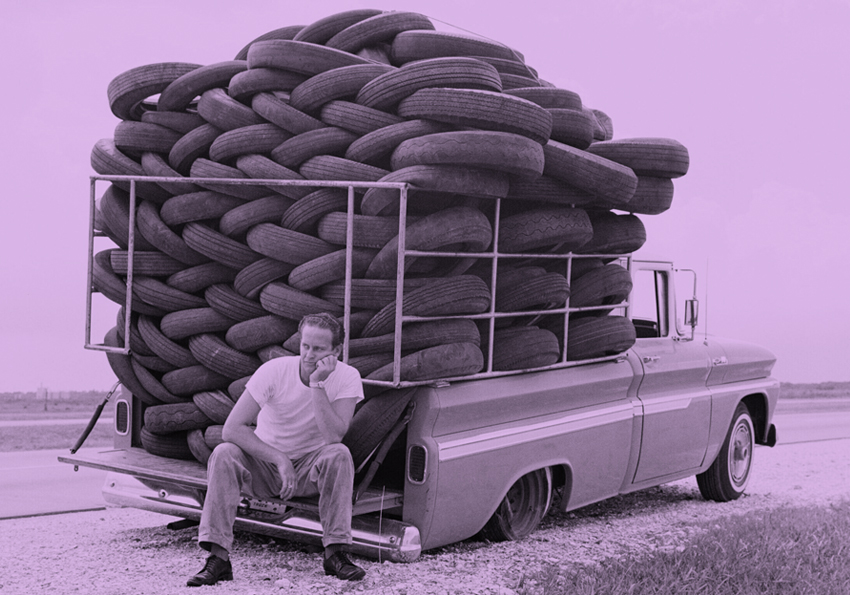
La ironía estable se refiere a aquella que los seres humanos crean para que sea escuchada o leída y comprendida con cierta precisión. La ironía estable permite a los lectores vislumbrar los pensamientos más íntimos de un autor. En contraste con ella está la ironía observable (o situacional). Un ejemplo ocurre cuando un rayo cae justo en el momento en que un predicador levanta los brazos para enfatizar dramáticamente una idea sobre Dios. En tales situaciones, todo lo que se necesita es un observador atento.
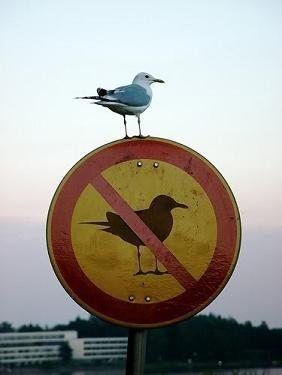
Debido a que las paradojas parecen contradicciones, son irónicas en el sentido de que los observadores deben contemplarlas simultáneamente desde dos puntos de vista opuestos. Parecen contradictorias, increíbles o absurdas, pero en algún sentido son verdaderas. Se puede hablar de un “gran ratón” corriendo entre las patas de un “pequeño elefante”, o encontrar sentido en la maldición yidis: «¡Que caiga muerto, Dios no lo quiera!».
La ironía socrática ocurre en una relación maestro-estudiante. El maestro finge ser ignorante y estar dispuesto a aprender del estudiante, pero luego formula preguntas hábiles que ponen de manifiesto las debilidades de los argumentos de este. Junto con Aristóteles y Platón, a Sócrates se le atribuye haber sentado las bases filosóficas de la cultura occidental.
En literatura, la ironía dramática ocurre cuando el público o uno de los personajes sabe algo que los demás personajes desconocen. Un ejemplo es la novela y película Desde el jardín (Being There), de Jerzy Kosinski. Esta es la historia de un jardinero con discapacidad intelectual llamado Chauncey Gardner. Debido a que viste muy bien, utiliza una gramática correcta y es visto caminando por un barrio muy acomodado, Chauncey es confundido con un importante caballero de la alta sociedad que acaba de fallecer. Mientras Chauncey hace comentarios corrientes relacionados con la jardinería, sus oyentes les atribuyen grandiosos significados metafóricos.
Algunos estudiosos consideran que la ironía trágica solo ocurre cuando una figura importante, como un rey, cae en desgracia. Así, Edipo Rey, de la tragedia griega, y El rey Lear, de Shakespeare, serían ejemplos de ironía trágica. Otros académicos, sin embargo, sostienen que la persona que cae en desgracia no tiene que ser necesariamente una figura relevante. Desde esta perspectiva, La muerte de un viajante, de Arthur Miller, también sería un ejemplo de ironía trágica.
Ejemplos de humor de patíbulo o ironía macabra incluyen Trampa 22 (Catch-22), de Joseph Heller; El mundo según Garp (The World According to Garp), de John Irving; Alguien voló sobre el nido del cuco (One Flew Over the Cuckoo’s Nest), de Ken Kesey; y Matadero cinco (Slaughterhouse-Five), de Kurt Vonnegut Jr.
En conclusión:
Joseph Heller dijo: «Cuando sea grande, quiero ser un niño pequeño».
Oscar Wilde dijo: «Hoy en día la gente conoce el precio de todo y el valor de nada».
Gertrude Stein dijo: «No hay ninguna respuesta. No va a haber ninguna respuesta. Nunca ha habido una respuesta. Esa es la respuesta».
Types of Irony: https://en.wikipedia.org/wiki/
International Society for Humor Studies: http://www.humorstudies.org/
Nilsen, Alleen and Don. The Language of Humor: An Introduction.
Cambridge, England: Cambridge University Press, 2019.
www.cambridge.org/core/books/
(This text has been translated into Spanish by Chat GPT)
Types of Irony
By Nilsen, Alleen and Don.
Linguistic irony is based on language, and requires both a sender and a receiver, while situational irony requires only an observer with a clever mind, as when Lily Tomlin buys a waste basket. The clerk puts it into a paper sack so she can take it home, and the first thing Tomlin does when she gets home is to put the paper sack into the waste basket.
Stable Irony refers to that which humans create to be heard or read and understood with some precision. Stable irony allows readers glimpses into an authors’ most private thoughts. In contrast to Stable Irony, there is Observable (or Situational) Irony. An example is when lightning strikes just as a preacher raises his arms in the air to make a dramatic point about God. In such situations, all that is needed is an aware observer.
Because paradoxes appear to be contradictions, they are ironic in that observers must view the paradox from two competing points of view at the same time. They seem contradictory, unbelievable, or absurd, but in some sense they are true. People can talk about a “large mouse” running between the legs of a “small elephant,” or can make sense out of the Yiddish curse, “He should drop dead, God forbid!”
Socratic irony occurs in a teacher-student relationship. The teacher pretends to be ignorant and willing to learn from the student, but then asks adroit questions that expose the weaknesses in the student’s arguments. Along with Aristotle and Plato, Socrates is given credit for laying the philosophical foundations of Western culture.
In literature, dramatic irony occurs whenever the audience or one of the characters knows something that the other characters do not know. Jerzy Kosinski’s novel and movie Being There is an example. This is the story of a mentally disabled gardener named Chauncey Gardner. Because he dresses so well, uses proper grammar, and is seen in wandering in a very affluent neighborhood, Chauncey is mistaken for lord of the mannor who has just died. As Chauncy makes ordinary comments appropriate to his gardening, his listeners supply grandiose metaphorical meanings.
Some scholars feel that Tragic Irony only occurs when a significant figure, like a King, falls from grace. Thus Oedipus Rex from Greek drama, and King Lear from Shakespeare’s drama are examples of Tragic Irony. Other scholars, however, feel that the person who falls from grace does not have to be a significant figure. These scholars would consider Arthur Miller’s Death of a Salesman to be an example of Tragic Irony.
Examples of Gallows Humor or Irony include Joseph Heller’s Catch 22, John Irving’s The World According to Garp, Ken Kesey’s One Flew Over the Cuckoo’s Nest, and Kurt Vonnegut Jr.’s Slaughterhouse 5.
In conclusion,
Joseph Heller said, “When I grow up, I want to be a little boy.”
Oscar Wilde said, “Nowadays people know the price of everything and the value of nothing.”
Gertrude Stein said, “There isn’t any answer. There isn’t going to be any answer. There never has been an answer. That’s the answer.”
Types of Irony: https://en.wikipedia.org/wiki/
International Society for Humor Studies: http://www.humorstudies.org/
Nilsen, Alleen and Don. The Language of Humor: An Introduction.
Cambridge, England: Cambridge University Press, 2019.
www.cambridge.org/core/books/