Los bufones de la corte del Renacimiento solían ser de baja estatura, con deformidades físicas, y vestían trajes multicolores con gorro y cascabeles. Sin embargo, al estar marginados, adquirían paradójicamente el poder de decirle al rey cosas que otros no podían. El bufón también obtenía poder al no utilizar su propia voz: hablaba a través de su cetro, una representación en miniatura de su propio rostro. Este recurso marcó los inicios del ventriloquismo. Al burlarse de sí mismos y al criticar todos los lados de un asunto, los caricaturistas políticos actuales también logran decir cosas sobre cuestiones sociales y políticas que otros periodistas no pueden.
En la segunda mitad del siglo XVI, el payaso Arlecchino (Arlequín) comenzó como un sirviente torpe y evolucionó hacia un personaje más sofisticado, acrobático y travieso. Llevaba un gran bastón dividido en dos partes que, al moverse bruscamente, chocaban entre sí produciendo un fuerte ruido. Así surgió la comedia “slapstick” o de golpes. Los arlequines vestían elegantes trajes remendados con patrones simétricos y una máscara negra que cubría la mitad del rostro. Los arlequines actuales (incluidos los mimos) siguen utilizando un maquillaje preciso y detallado, y proyectan una actitud refinada de control. Esta sensación se intensifica a menudo por el contraste con un compañero “tonto”.
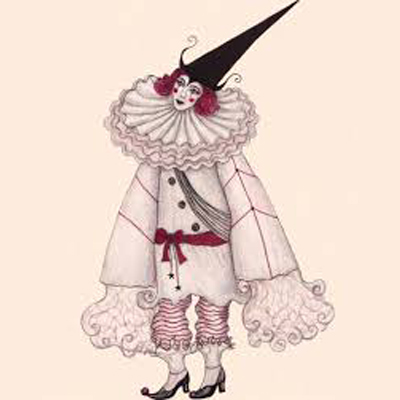
Ese compañero era Pierrot. Pierrot era un payaso francés caracterizado por su cabeza calva, el rostro blanqueado con harina y una actitud siempre ingenua. Actuaba como contrapunto serio del Arlequín.
Una ventaja evidente del mimo y la pantomima es que trascienden las barreras del idioma. Por ello, Charlie Chaplin fue la primera estrella de cine reconocida y apreciada en todo el mundo. Otra ventaja del mimo es su eficacia en espacios grandes o ruidosos, donde el público no puede oír bien. Por eso los payasos de circo y las mascotas deportivas basan su humor en movimientos corporales exagerados. Emmett Kelly, el famoso payaso de Ringling Brothers, dominaba tanto la pantomima en su personaje “Weary Willie” que se le permitía permanecer en la pista durante toda la función. Su número más célebre consistía en barrer el círculo de luz de un foco hasta hacerlo cada vez más pequeño, para luego perseguirlo hasta esconderlo bajo una alfombra o dentro de un cubo de basura.
Marcel Marceau creó un personaje de payaso vagabundo llamado Bip, que vestía pantalones ajustados de talle alto y una camiseta oscura que resaltaba su rostro blanqueado y sus expresivos movimientos de manos. Era una interpretación moderna del Pierrot francés. Resulta irónico que en la película Silent Movie (1976), de Mel Brooks, fuera precisamente Marceau quien pronunciara la única línea hablada.
A comienzos del siglo XX, los payasos de carácter se volvieron muy populares. Representaban tipos reconocibles como vagabundos, espantapájaros, abuelas o caballeros venidos a menos. Charlie Chaplin, los Marx Brothers y los Three Stooges fueron ejemplos de este tipo de payasos. El “Weary Willie” de Emmett Kelly y el “Freddie the Freeloader” de Red Skelton estuvieron influenciados por el “Little Tramp” de Chaplin. Jerry Lewis y Rowan Atkinson (Mr. Bean) también forman parte de esta tradición.
International Society for Humor Studies: http://www.humorstudies.org/
Nilsen, Alleen y Don. The Language of Humor: An Introduction.
Cambridge, Inglaterra: Cambridge University Press, 2019.
(This text has been translated into Spanish by Chat GPT)
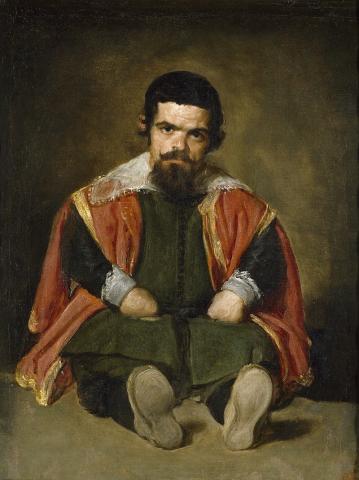
Bufón
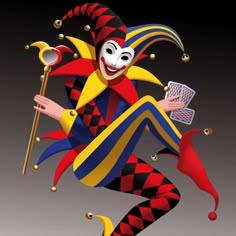
Arlequín
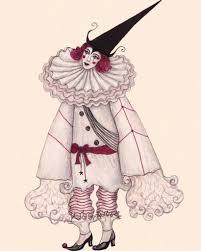
Pierrot
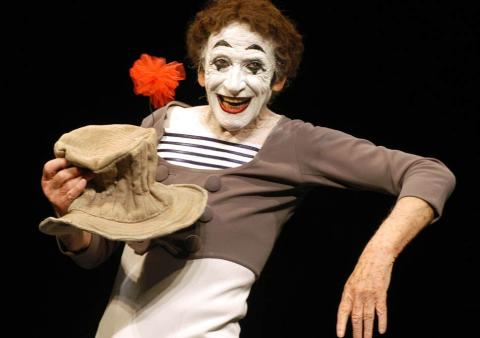
Marcel Marceau
Clowns and Court Jesters
By Nilsen, Alleen and Don
Renaissance Court Jesters tended to be small, physically deformed, wore motley clothes and cap and bells. But by being marginalized, they were empowered to tell the king things that other people were not able to tell him. The jester also gained power by not using his own voice. He spoke through the voice of his scepter—a miniature representation of his own face. This was the beginning of ventriloquism. By making fun of themselves, and by targeting all sides of an issue, today’s political cartoonists are also able to say things that other reporters are not able to say about societal and political issues.
In the latter half of the 16th century, the “Arlecchino” (Harlequin) clown started out as a foolish servant and then developed into a more sophisticated, acrobatic prankster. He carried a large stick that was split so that abrupt movements would make the separated parts hit against each other with a loud noise. This was the development of “slapstick” comedy. Harlequin clowns had elegant, patched costumes with symmetrical patterns and a black domino mask covering half of their faces. Today’s Harlequin clowns (including mimes) still wear precise, neatly detailed makeup, and a sophisticated demeanor of being “in charge.” Their aura of control is sometimes heightened by the contrast of having a “fool” companion.
The “fool” companion of the Harlequin was the Pierrot. Pierrot was a French clown with a bald head, a flour-whitened face, and an always-gullible demeanor. Pierrot was the straight man for the Harlequin.
An obvious advantage of mime and pantomime is that it transcends language barriers.
Because of this, Charlie Chaplin was the first movie star recognized and appreciated around the world. Another advantage of mime is that it works in arenas that are too large or too noisy for people to hear well. This is why circus clowns and the mascots for athletic teams rely for their humor on exaggerated body movements. Emmett Kelly, the famous Ringling Brothers clown, was so skilled in pantomiming the role of Weary Willie that he was allowed to remain in the circus arena through the entire performances. His most famous act was to sweep a circle of light thrown by a spotlight into a smaller and smaller circle, and then to chase it under a rug or into a dustbin. Marcel Marceau had a clown-tramp character named Bip. Bip had tight-fitting high-waisted pants, a dark jersey designed to set off his whitened face, and to serve as a backdrop to his expressive hand movements. This was a modern interpretation of the French Pierrot. It is ironic that in Mel Brooks’s 1976 Silent Movie, it was Marcel Marceau who said the only spoken line.
At the turn of the century, character clowns were becoming very popular.
They had such identifiable personalities as tramps, scarecrows, grandmothers, out-of-work gentlemen, etc. Charlie Chaplin, the Marx Brothers, and the Three Stooges were all character clowns. Emmett Kelly’s “Weary Willie,” and Red Skelton’s “Freddie the Freeloader” were both influenced by Chaplin’s “Little Tramp.” Jerry Lewis and Rowan Atkinson (Mr. Bean) were also character clowns.
International Society for Humor Studies: http://www.humorstudies.org/
Nilsen, Alleen and Don. The Language of Humor: An Introduction.
Cambridge, England: Cambridge University Press, 2019.
www.cambridge.org/core/books/language-of-humor/B37E80D6A21DB3A2E344A4061D996D9C