
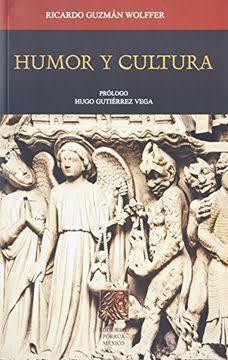
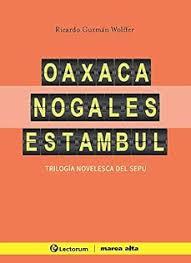
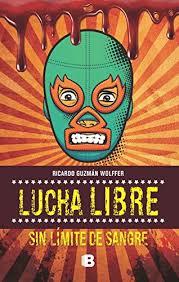
El mexicano Ricardo Guzmán Wolffer es abogado, narrador, poeta, dramaturgo, humorista literario y tiene un sustancioso podcast.
También es columnista en el periódico La Jornada. Ha escrito en Revista de Revistas, en Los Universitarios, Hojas de Utopía, Origina, Generación, Biombo Negro; Asimov; en los periódicos Nacional, Excélsior, Milenio, La Jornada, Imparcial, Noticias, y Hora. También en las revistas Renacimiento, Chilango, El Mundo del Abogado, Iter Crimins, y en el Semanario Judicial del Tribunal Superior de Puerto Alegre, Brasil.
Y otro aspecto muuuy importante. Ha participado en más de 60 libros, en muchos como autor, en otros como coautor, en otros como seleccionador, en otros como prologuista.
Con ese valioso y extenso currículo está bien justificada la invitación a este vis a vis. Es un honor para nosotros, sin dudas.
Pero también hay otras razones más cercanas. Es columnista estable de nuestro sitio humorsapiens.com y además, tuve la suerte de que publicara una reseña de mi libro “John y Deep. ¿Teatro o historieta?” y otra de mi “Diccionario del humor”.
PP: Ricardo, no sé si estuve muy preciso o completo en tu presentación, ¿puedes hacerlo tú mismo, por favor? (Y si puedes, finaliza, cómo te gustaría que te recordaran).
RICARDO: Ahí viene lo esencial, quizás falta decir que trabajé casi 40 años en temas judiciales y que fui juez federal casi años. Me gustaría que cada lector recordara alguna parte de mis libros, quizás riéndose cada vez que se acuerda, quizás emocionándose, quizás recomendándolo. Me gustaría ser recordado como yo recuerdo muchas partes de muchos libros, con mucha emoción y con la alegría de pensar que he tenido una gran vida por haber sido un buen lector.
PP: Te aseguro que recordarán tus libros, tu creatividad, tu humor. Claro, si tuviste algo que ver en meter a alguien en la cárcel, dudo que te recuerden con placer, ja, ja. Bueno, espero que sonrías con una gracia con poca gracia como esta, ¿o sí? Por ello te pregunto: ¿Qué es para ti el humor?
RICARDO: El humor es un misterio porque parece ser absolutamente subjetivo; cambia con el tiempo, con el país, con el estrato social, con la preferencia sexual y con muchos otros puntos que a veces ni siquiera concientizamos. Habrá mecanismos comunes al humor para hacer reír, para hacer pensar o para ofender y ofenderse al tiempo que divierte. Para los psicólogos es un mecanismo mental, para los creativos es una sorpresa, para los puritanos es una ofensa. Pareciera que el mero intento de definirlo es ya una broma. Incluso los académicos hacen disecciones del humor como si fuera un extraño sapo que puede nadar en el desierto, en la tormenta o en el perol de la cocina, y siempre salir triunfante. Para mí el humor es una fuente de vida que me llena de vitalidad cuando encuentro el humor que me hace pensar mientras me divierte. El humor es una manera de mirar el mundo, de modo que cualquier tema puede ser visto o tomado con humor, no solo como oposición a la tragedia, sino como un aditamento permanente para vivir. Quienes entendamos que el humor es una pulsión que nos dio una deidad sonriente, seremos capaces de divertirnos incluso con lo más cruel o lo más trágico.
PP: Me comprometo a invitarte una tarde completa a tomarnos un café o una cerveza (lo que desees) y tratar de convencerte de lo apasionado que es tratar de definir el humor, de sumergirse en su teoría. Creo que me será fácil estimularte, porque eres un creador de humor nato. Y a propósito, te haré una pregunta que suena medio tonta o manida, pero que hago frecuente porque me gusta analizar las respuestas de los colegas: ¿el humorista nace o se hace?
RICARDO: El humorista nace, por supuesto. Basta estar en un cunero para ver cómo hay bebés que a unas horas de llegar al mundo están sonriendo, mientras otros están llorando suave o desesperadamente. Si de milagro alguien tomara una foto del cunero de propio hijo y 20 o 30 años después encontrara a los padres de esos infantes, podría corroborar mi teoría. Quizás el niñito que sonreía siempre tuvo una actitud distinta ante la vida de aquel que aullaba en el cunero. Sin embargo, también el humorista se hace, pero se hace mejor humorista. Mediante la lectura, el pensamiento crítico y abierto, el uso y abuso de la cultura en general, se vive en el humor informado y abre la posibilidad de crear como espectador una mejor impresión del humor ajeno, permitiendo que me transforme para bien, y, con suerte, también, me permite crear en las distintas formas artísticas con la voz del fauno que salta alegre en la tormenta del crepúsculo mientras canta en la montaña. De ahí la importancia de saber más: ser un catador del humor en las 2 vertientes de creador y espectador. Intento rabiosamente serlo en algún modo todos los días. El humor filosófico da la posibilidad de tomarse las tragedias personales con más distancia, con la posibilidad de entender mejor qué está pasando. El humorista analiza antes de tirar la patada conceptual. Si practico el humor como filtro de la política, de mis problemas personales, es seguro que tomaré una mínima distancia que me permite dejar atrás la emoción para poder ejercer el cacumen informado y, dirán los místicos, hasta contactar con el ser supremo mediante el abandono de mí mismo en el remolino del humor que todo lo cura.
PP: De total acuerdo contigo. Ahora otra pregunta del mismo estilo: ¿crees que es más fácil hacer llorar que hacer reír?
RICARDO: Como reacciones físicas, es más fácil golpear a alguien para que llore que hacerle cosquillas para que se ría. Aunque la corrección política contemporánea nos impide dar ese tipo de sorpresas cosquillosas -sean mentales o dérmicas-, por el riesgo de ser acusado de acosador del humorismo. Como expresión artística es más fácil hacer llorar porque tiene que ver con la desgracia humana esencial de no saber cuándo morirá cada uno, de no saber en qué parte de su cuerpo o su mente ha alojado sus dolores y sus traumas. El problema de la risa es que presupone la sorpresa y la inteligencia del espectador. Los chistes más bobos pueden quedar incomprendidos. El intelectual más informado puede ser un analfabeto del gracejo. Los lectores del existencialismo requerirán un tratamiento distinto para hacerlo reír que el que se necesita para aquellos que miramos a los peatones en las calles para escuchar sus tonterías o mirar sus comportamientos erráticos. Es más fácil llamar al inconsciente que al consciente y la tragedia del llanto o del sufrimiento necesita salir para liberar a la persona, mientras que la erupción de risa es un flujo divino que nos recorre sin nuestra participación. Somos una extraña flauta que emite notas de risa solo cuando los dioses del divertimento así lo quieren.
PP. De nuevo de total acuerdo. Otro punto de vista para apoyar tu respuesta: si escribes un drama, solo copia las desgracias que le pasan a tu familia o a una familia que conoces. Y la copias tal cual, solo quizás dándole un orden más efectivo para que se entienda y todo salgan llorando. Pero si escribes una comedia, puedes copiar algo gracioso que le haya pasado a una familia, pero si no usas el lenguaje humorístico en tu libreto, no será una comedia exitosa, porque provocará menos risa o sonrisa. ¿Por qué' Porque para hacer el humor en el arte debes aprender dos lenguajes: el de la manifestación artística que usarás y el lenguaje humorístico. Por eso también es más difícil de hacer. Y. hablando de lenguajes artísticos, ¿cómo ves la salud del humor en México, tanto en lo literario, gráfico, escénico, televisivo, etc.?
RICARDO: El humor en México se da a muchos niveles. El humor popular, el que sirve como una defensa ante las adversidades de un país mermado por la conquista que no se va, está lleno de vida. Los insultos divertidos, las expresiones de doble sentido, el distanciamiento de las clases sociales se renueva todos los días. El humor cultivado se ha vuelto sectorial porque cada vez hay menos cultura académica en México: la educación básica va en declive y hay millones de analfabetas funcionales que no comprenden lo que leen. Los catálogos humorísticos son más un recuento del dicho popular, que un análisis de los mecanismos que hacen reír a los mexicanos. Sobre todo, el divertimento político involuntario es magnífico en México. Los políticos son los mejores bufones, divierten hasta el extremo cuando entendemos que sus errores en las administraciones de todos los partidos no dependen de los ciudadanos. Esos políticos son los herederos de los conquistadores que abusaron de los habitantes del México de otros siglos. Dan por hecho que pueden decir lo que sea, hacer lo que sea y que los tomemos en cuenta como si fueran personas serias que entienden lo que dicen y hacen. El problema del divertimento político es que esconde la desgracia de millones de personas y estas han perdido la paciencia y el humor. Por otro lado, la avalancha de las redes sociales parece ganar el puesto del cine y la televisión como verdaderos proveedores de identidad. Durante décadas nuestros actores de la época de oro, Pedro Infante, Tin Tán, Cantinflas, María Félix, Dolores del Río, los Soler y muchísimos más, eran los que definían la identidad del mexicano. De ahí que intentáramos ser parranderos, borrachos, mujeriegos, ellas sufridas o muy mandonas, como en las pantallas. El sistema educativo ha sido tan malo en México que se buscó dar identidad por otros medios. Ni queríamos ser indios, ni podíamos ser Jorge Negrete, pero muchos podían ser pachucos o peladitos urbanos. Ahora las redes tienen un sorprendente ascendente sobre los mexicanos. Hay figuras de los memes que se vuelven referentes. Hay modos de hablar que sustituyen a las reglas de la RAE, sólo por el hecho de que alguien en las redes lo dijo y los mexicanos, necesitados de información realmente formativa, la absorben de los peores modos. La exaltación del mexicano que se buscaba en todas las figuras señeras del cine de los 50, ahora se vuelve autodegradación en las figuras supuestamente cómicas de la televisión o el cine. La división social se perpetúa con el nuevo cine mexicano. El humor sigue, pero su análisis puede dar resultados tristes.
PP: Describes un mal latinoamericano. Ahora algo más entretenido, aunque teórico también: escoge en estas opciones que te doy, el humor que más disfrutas, pero también me interesa un breve comentarios sobre cada uno.:
-Humor blanco:
RICARDO: En México es como el peor nivel porque ha terminado por ser utilizado como sinónimo de humor infantil apenas inteligente. Pareciera que los niños no tienen la capacidad de comprender cuándo se pueden reír o no y se les trata como si tuvieran menos capacidades mentales que las obviamente propias de su edad. Claro, los niños no necesitan entender, simplemente se divierten. El humor blanco eficaz, considerado como uno inofensivo, tiene pocos exponentes buenos en México. Cuando un cómico se asume como “El campeón del humorismo blanco” estamos en el prefacio de la tragedia mental.
-Humor negro
RICARDO: Es el más socorrido en mi país por la tragedia constante causada por los políticos, las desgracias naturales, la violencia criminal y una peculiar composición social que hace permanente la división social insalvable. Desde la diversión a costa de la muerte que se celebra comiendo calaveras de azúcar hasta hacerle rimas a los muertos en el día de muertos, la pulsión tanática que se esconde debajo del humor negro es compatible con los mexicanos. A mí me gusta porque implica un conocimiento del objeto a burlarse, de lo ofensivo que puede ser y de la consecuencia riesgosa que conlleva en cuanto a tener que recibir una respuesta en igual o peor sentido.
-Humor verde (sexual, escatológico)
RICARDO: Por extraño que parezca el humor sexual en México se decanta hacia el albur, y como este tiene la imposición sexual masculina como presupuesto básico, es muy complicado lograr que el humor sexual no implique una agresión. Habrá escenarios donde es la única manera de convivir, pero el buscado por inexistente respeto de género limita esos espacios. Alguna amiga lingüista, Magda Peñafiel, intentó hacer un albur femenino, sustituyendo las referencias al miembro masculino por referencias a los genitales femíneos, pero es obvio que no funciona la imposición sexual porque para la penetración se requiere la cooperación del penetrador; a menos, como dice uno de los chistes más viejos, que te sirvas de un rayo de bicicleta. (A quienes les falta información les diré que el chiste deriva del uso de uno de los filamentos de metal que llevan las ruedas de la bicicleta para su soporte respecto del eje de la bicicleta, con el extraño humor relacionado a que debe ser introducido por la uretra para lograr que el inerte miembro masculino logre estar erecto). Esto no significa que no haya miles de variantes sobre la burla relativa al tamaño y uso (o atrofia) de los genitales masculinos o femeninos, los senos o los glúteos. En la locura mexicana identitaria, ser mujeriego tiene un valor machista doble, la promiscuidad se ha disfrazado de valía intrínseca. Los pobres de las películas tienen sólo dos opciones: ser hombre de una mujer de por vida o cansarse de parejas ocasionales. Los términos medios no son divertidos. Todo es válido para ser garañón: “feo, pero con suerte”, “verbo mata carita”, “chiquita y no te la acabas”. Este tipo de humor es muy socorrido. Los hombres de miembro minúsculo (los “pitochi” -pito chico-) tienen un lugar aparte, porque se les demerita; a menos que el varón tenga más ingenio que trauma: “chiquita, pero naciste”, “pero la usa tu mamá para limpiarse los dientes”, “chiquita, pero escupiste” y muchos más. Habrá que preguntar a las mujeres empoderadas cómo responder a los “halagos” sobre el tamaño de sus senos o sus glúteos. El problema básico del humor sexual en México es la doble moral, la supuesta corrección impuesta por generaciones, cuando se ha documentado el abuso sexual de curas católicos, la proliferación de enfermedades por la infidelidad de los hombres que no alcanzan a expresar su homosexualidad y siguen engañando a la esposa con muchachos, los hombres con muchos matrimonios o muchas casas donde supuestamente es el padre de familia; y lo mismo del lado femenino: infidelidades o confrontación abierta. Octavio Paz explica bien una de las consecuencias de la imposición española en la conquista con la proliferación de hijos no reconocidos: es valiosísima la madre para el mexicano porque históricamente no se sabe quién es el padre. Si el humor de burla contiene siempre los valores mayores de una sociedad, la sexualidad mexicana es crisol y volcán de ese momento histórico que sigue sin superarse por muchos. Las payasadas del presidente mexicano que pidió al gobierno español una disculpa por los excesos de la conquista, son una muestra; para más inri, al terminar su administración, la esposa intentó residir en España con el hijo chico, ya sin el expresidente. Los chistes se cuentan por sí mismos. El asunto sexual en México es complejo. Ni se diga ahora con las pensiones alimentarias, donde se pueden ordenar judicialmente para que la mujer la pague al hombre por el tiempo invertido en cuidar a los hijos. A mí me divierte mucho todo este asunto porque habla de las inseguridades personales y sociales.
-Humor absurdo.
RICARDO: En lo personal disfruto la diversión que nace de lo absurdo porque solo puede ser divertido si es sorpresivo. La vida en sí misma es tan absurda que solo cuando hay sorpresa puede haber humor. El teatro del absurdo parece ser la mejor aproximación al sentido de la vida. Bastaría mirar las leyes, cómo se modifican según las preferencias del partido en el poder, para comprender que de entrada ya es absurdo intentar codificar lo humano. Las leyes son absurdas, pero también lo son todas las “ciencias” que pretenden explicar el comportamiento humano. A veces la dieta es más explicativa que la historia para comprender a las personas y su arreglo colectivo. El humor de lo absurdo es de biblioteca: sino es muuuy inteligente, será fallido.
-Humor satírico.
RICARDO: La crítica funciona mejor cuando es expresada con risas. Se dice que la crítica puede ser constructiva, pero esto solo depende del receptor del mensaje. Si aguanta la crítica probablemente también aguante el humor generado a su costa. Cada actividad tiene sus críticos preferidos, desde la política hasta el deporte. Los instructores de la religión parecen tener poca capacidad de autocrítica. La necedad de los políticos de sentirse intocables ha llevado a que varios juzgadores impongan sancionen millonarias a los críticos del sistema. Para ejercer el humor satírico profesional hay que tener un seguro que cubra las eventualidades legales. El humor satírico familiar es de mis preferidos, aunque a veces yo sea el único blanco de las bromas.
-Humor irónico.
RICARDO: La delicadeza en la burla es un arte poco ejercido. O se da entre cultos muy cultos, o se da involuntariamente. Siempre se corre el riesgo de que sea tan sutil la ironía que quién debía sentirse aludido simplemente no entienda lo que está pasando; y si el culto ironista no es tolerante a la frustración, queda mosqueado por su burla fracasada. Me sucedía mucho en mi trabajo que hacía comentarios irónicos y la gente pensaba que estaba por iniciar un procedimiento administrativo en su contra, con lo cual no solo no había sonrisas de su lado, sino que me miraban primero con desconcierto y luego con molestia, Pero no de la molestia de quien se sabe incapaz de devolver la burla sutil, sino de quién se siente abusado por comprender que le faltan conocimientos o práctica en la burla tenue o porque no está en la posibilidad de contestarle a su jefe laboral con las rudimentarias herramientas a su alcance; que quizás sean mejores en fondo y forma, pero no va a correr el riesgo de contestar con un albur barbaján y ser despedido por agredir al superior.
-Humor de burla ácida, humillante, agresiva.
RICARDO: Esta es complicada porque los altos grados de impunidad que hay en México hacen suponer que uno puede golpear o matar al bardo burlón sin que tenga consecuencias. Esta agresión es proporcionalmente contraria a la posibilidad de ser inteligente. Más inteligencia, más sutileza. Que no por ello deja de ser humillante o agresiva. Me encanta ver a los supuestos intelectuales perder la paciencia e intentar golpearse. Es como ver a dos parapléjicos golpearse con medias de comprensión vacías. Si acaso se arañarán, pero nada de un buen golpe a puño cerrado.
PP: Creo que te conozco mucho mejor después de tus comentarios a cada variante de humor. Siento que tuviste sin filtro, suelto. Y sobre ese tema: ¿cuáles son los límites del humor si los hubiera?
RICARDO: El único límite que hay en el humor es el espacio del medio por el que se expresa o la circunstancia donde se ejerce. Cuando escribo de humor en los periódicos generalmente el límite es de una página. Quizás en los podcasts el límite sea la paciencia del escucha. Temática y creativamente no debe haber límites. Me sucede mucho que cuando me río de mis chistes es poca la gente que me pregunta de qué me río porque saben que si les contesto se pueden ofender. Alguna vez intenté hacer bromas en la iglesia, pero no era el público adecuado. Aunque es verdad que uno debe de saber en dónde soltar ciertas bromas; al menos si quiere conservar el trabajo o el matrimonio o los dientes. Muchas veces usar lo trágico para el humor es la mejor catarsis, pero no todos están preparados mental y emocionalmente para eso. La trampa interna y del escucha es que en vez de visualizar el mensaje se quedan con el objeto del humor. Si se habla de los niños calcinados por el narcotráfico, algunos pensarán en sus familiares que así murieron, otros en cualquier niño lastimado, y muy pocos en sacar del contexto emocional a ese niño que tienen en mente y objetivizar la imagen para poder plantearse si el chiste es ingenioso, si le sorprende y si funciona para soltar una carcajada de cargador o levantar una ceja y apenas mover la comisura de los labios. El reto de la falta de limites es precisamente ese, jugar a que siempre la broma puede ampliarse, ser más cruel, más inteligente. En algunos lugares del sureste mexicano hay reuniones que nombran “guerra de mentiras” y son narradores que simplemente inventan historias, a veces concatenadas con las del interlocutor, para ser más fantasiosos. Ahí se puede decir todo, porque la gente va a escuchar y decir bromas o invenciones: saben que no hay limites para ganar. Pero en lo cotidiano, más si los tomas por sorpresa, no cualquiera percibe esta sutileza del humor.
PP: ¿Te han censurado alguna vez? ¿Te autocensuras mucho, poco o nada?
RICARDO: Me han censurado en diarios. Cuando realizaba entrevistas sobre el humor se molestaron por las respuestas que dio un cantautor y el resultado fue que no me publicaron durante varios meses. No me dijeron que iba a ser sancionado, pero en los hechos sucedió. En alguna revista me dijeron que no podía burlarme del presidente de la república y me pidieron otro texto para el Día de Muertos. Al año siguiente me volvieron a invitar y cuando pedí que publicaran el artículo del año interior, que todavía funcionaba en la coyuntura periodística, se negaron a publicarlo, lo cual me llevó a salir de esa casa editorial. Más que autocensurarme en mis libros o en el periodismo hago el ejercicio de decir lo mismo, pero de un modo que solo lo entienda el lector perspicaz.
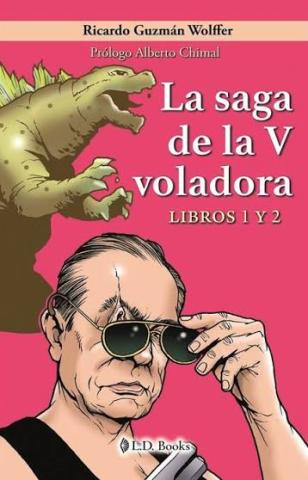
Uno de mis libros, “La saga de la verija voladora”, inició su publicación como novela por entregas en la revista “Biombo negro” la primera entrega fue la causa para que se negara por escrito la licencia de licitud de contenido que en aquella época daba el gobierno federal; hermoso eufemismo para decir qué publicaciones llevaban el visto bueno de la secretaría de gobernación. Con la negativa de esa licencia, la revista ya no pudo ser distribuida y con ello fue condenada a la extinción. Irónicamente, más de una década después, el primer libro de la verija voladora -donde iba ese texto censurado- fue publicado bajo la beca que daba el gobierno federal a publicaciones independientes, en un grupo editorial distinto al de Biombo negro. Mejor aún, el libro que había sido censurado varios años antes fue distribuido por la distribuidora gubernamental en librerías importantes del país. Cuando salieron publicados el primero y el segundo libro de la “verija voladora” publiqué la carta que envió la revista a la secretaría de gobernación y el testimonio de la directora de la revista. Con lo cual una novela de humor negro, fantasía y ciencia ficción terminó siendo no solo un punto de divertimento sino también una constancia documentada de la censura literaria en México.
En una novela que titulé “la judicatura” se dio una peculiar autocensura, pero por consejos de terceros. Es una novela donde menciono conductas indebidas de jueces, magistrados y ministros. Cuando iba a ser publicada, se la envié a un amigo exministro para que me elaborara la cuarta de forros. A las 2 horas de haberle enviado el mail, Me llamó para decirme que le quitara mi nombre y le pusiera un seudónimo o que francamente me esperara a que cierto grupo político saliera del poder. Opté por sacar el libro con el nombre de un autor ya muerto.
PP: El poder enojado es muy peligroso. Te entiendo. Oye, ¿cómo llegaste al humor?
RICARDO: De niño leía a Poncela, a Rius, y a muchos autores humorísticos que encontraba en las bibliotecas familiares. Todos mis tíos tenían enormes bibliotecas en su casa, ni se diga mi abuela, y mi mamá no era la excepción. Fue cosa de encontrar los libros adecuados para iniciar un camino que hasta la fecha continua. También escuchaba algunos discos humorísticos, desde Gila hasta los albures mexicanos más traperos con Chaf y Kely. Siempre me quedó claro que el humor era propio de los rápidos de mente. Muchas veces me salvó de enfrentamientos físicos escolares Porque cuando veía que me iban a atacar niños más grandes o de más número él desea algo que generalmente los detenía, lo cual me daba tiempo de escapar o de ver mi triunfo al advertir a los indefensos. Pero luego resultó que yo era el que molestaba a los grandotes quienes me amenazaban con golpearme si les seguía diciendo apodos o burlándome de su apariencia o de sus errores escolares.
PP: Casualmente, yo también empecé con Jardiel Poncela, aunque antes me fui formando con los dibujos animados estadounidenses como El Pájaro Loco, Los dos Cuervos, etc. A Rius no, porque mi familia nunca fue oficialista en mi país y Rius al principio lo era. Después cambió y tuve la suerte de entrevistarlo aquí, para Humor Sapiens. Déjame hacerte otro pregunta personal: ¿te interesa más, menos o igual investigar el humor y escribir artículos ensayísticos que crear tu propia ficción humorística?
RICARDO: Son 2 procesos que siempre van hermanados. Cuando escribo del humor, me documento. Cuando estoy creando cuentos o novelas o teatro, siempre termino acudiendo a otras fuentes para afinar mis ideas. El mejor humor es el más documentado, el más revisado, el más trabajado. El riesgo del humor literario propio es que cuando uno lo lee varias veces termina por parecer poco eficaz; ni se diga cuando se trata de revisar interiores de un libro propio. Después de leer el mismo texto muchas veces uno duda incluso de su gramática o de esté bien escrito y transmita el mensaje originalmente pensado.
PP: Así mismo es. Y para quitar algo de densidad a la entrevista: ¿alguna anécdota graciosa, ingeniosa o curiosa, relacionada con nuestra profesión de creadores y estudiosos del humor?
RICARDO: Además de la censura ya comentada, tuve una novia intelectual que se ofendía con mis textos y los tildaba de zafios. Me imagino que por eso nunca me presentó a su familia, con todo y que había aceptado ya el anillo de compromiso. Si me hubiera dedicado a la novela victoriana, probablemente me hubiera casado con ella.
Un recuerdo hermoso. Mi santa madre que en paz descanse tenía la paciencia de un mártir cristiano medieval y acudía a todas las presentaciones de mis libros; una vez decidieron acudir con ella su primo, con la esposa y la suegra. Mi pobre madre sudaba conforme se desataba la avalancha de leperadas porque era la presentación del primer libro de “la verija voladora”. Cuando todos salían y me felicitaban, en un susurro ella me dijo: “¿era necesario todo eso?”. Por si te da curiosidad, esas novelas suceden en el futuro cuando un policía, luego de violar un cadáver despedazado, es agredido por los labios vaginales de la muerta, que se han desprendido del tronco, hasta clavársele en la cuenca izquierda y con ello darle superpoderes, como el de vista infrarroja, el de echar eructos equiparables a un tiro de bazuca y, entre otros, la posibilidad de hablar mentalmente con el ente inteligente en que se han convertido los labios que tiene engrapados sobre la cuenca de forma perpendicular. Por si eso fuera poco, en el primer libro se enfrenta a una vampira con súbditos vampiros teporochos (borrachos de calle que se la viven “chupando”; en México “chupar” es una de las formas aceptadas en ciertos niveles sociales como sinónimo de beber bebidas alcohólicas), lo cual intenta ser un chiste porque los vampiros humanos beben sangre al chuparla del cuello de sus víctimas humanas y analógicamente los lacayos chupasangre alcohólicos beben el líquido embriagante al chuparlo del cuello de botella del contenedor de la bebida o de sus víctimas humanas.
Curiosamente, el humor me sirvió para casarme con mi actual esposa. Una vez iba caminando con ella y con su hermano, que entonces todavía no era mi cuñado legal, en la plancha del Zócalo del centro de la ciudad. Regularmente el tráfico ahí es complicadísimo. Recientemente incluso han prohibido que circulen coches, como no sean los oficiales o de los que tienen tiendas en ese lugar. El chofer de un vehículo particular miró la bella anatomía de mi entonces novia impoluta y profirió expresiones y sonidos que denotaban su admiración por las buenas formas de su cuerpo, mismas que ahí siguen, por cierto. Mi parte reptiliana cerebral no pudo evitar sentirse ofendida y dejé a mis acompañantes para acercarme al homínido en cuestión. Al verlo con la ventana bajada, el cinturón de seguridad puesto y con la imposibilidad de mover el coche un solo centímetro en el tráfico detenido lo confronté de un peculiar modo: apenas metiendo el brazo en el coche, le hice la pantomima de golpearlo, pues ni siquiera lo toqué. El pelandrujo ese se limitó a apretar los dientes y sujetar el volante, como si con ello pudiera tener más fuerzas para recibir el golpe que él esperó recibir. Al tercer movimiento, unos policías que estaban cerca comenzaron a fijarse en nosotros, pero al ver que no le pegaba, no intervinieron. Como vi que podía seguir así toda la tarde, con la adrenalina a tope le dije con mis mejores modos: “te traigo pendejo, puto” (aquí esta palabra fue utilizada en una de sus acepciones más comunes, que lo es la de cobarde), haciendo referencia a que era muy fácil insultar a una mujer, pero no confrontar a su propietario (espero que usted sí entienda esta broma, querido lector), quien en realidad es su lacayo matrimonial desde hace 2 décadas incumplidas. Al regresar triunfante, las risas del objeto del oscuro deseo y su acompañante me hicieron ver que, por una vez, tenía un público conocedor.
PP: Espectaculares las anécdotas. Solo me quedé preocupado de algo: ¿la primera novia nunca te devolvió el anillo? Eso es peor que no gustarle lo que escribes. Bueno, ¿se te ocurre una pregunta que deseaste te hubiera hecho? Y si es así, ¿puedes responderla ahora?
RICARDO: Me hubiera gustado que me pidieras sugerir algún autor, alguna obra ajena o alguna obra mía. Pero hubiera sido una complicación porque hoy me río de muchos autores que me entretienen, unos de novela negra, otros de poesía y de otros géneros -será que mi admiración va mimetizándose en gestos parecidos a los divertimentos-; la sorpresa que me causaban los cómics ahora se transforma en risa burlona; las novelas históricas, sobre todo las egipcias, me hacen sonreír por sorpresivas y todo esto da como resultado que simplemente recomiende leer lo que haga falta para reírse o pasarla bien. Los políticos siempre son fuente de risa, pero muchas veces la pena ajena acaba con los mejores histriones involuntarios. Y esta es la clave, que el humor no siempre tienen que ser una risa explosiva, caer al piso en convulsiones histéricas y carcajadas desternillantes o causar una sonrisa que permita ver si el dinero invertido en el dentista ha tenido resultados adecuados. Muchas veces el humor simplemente nos permite relajarnos, olvidar por un instante cualquier problemática personal o social o mundial, que nuestra mente sea un papel traslúcido en la dulce tarde de una playa desierta con la forma de pago “todo incluido”. Sea o no consciente tal momento maravilloso. El humor es lo más parecido a las revelaciones místicas, con la ventaja de que podemos buscarlas con nuestra inteligencia y nuestra cultura, porque por un instante dejamos de existir física, mental y espiritualmente para ser sólo una entidad de humor encarnado. En ese momento aparecemos en la periferia de la mirada divina; otros dirán que solamente sirve para reducirnos a nuestra condición de animales perecederos. Prefiero pensar distinto. Quiero creer que el cielo no es un lugar donde se juntan las almas a caminar en camisón blanco bajo el sutil llamado de las arpas angelicales. El cielo debe ser una gigantesca sala donde de un lado está la mejor biblioteca de todos los tiempos, incluidos todos los documentos quemados en la biblioteca de Alejandría hace unos siglos y cualquier otro que duró un instante bajo la mirada crítica de su autor; otra pared contiene todas las películas, óperas, funciones de teatro o cualquier representación cultural ajena a la literatura; y en una extraña instalación inmersiva, la tercer pared está llena de todos esos momentos que me dieron cualquier tipo de felicidad, risa o exabrupto que minutos o meses después comprendí como de gran humor. El común de esos objetos en las 3 paredes es que son adecuados para mi capacidad humorística. La cuarta pared está vacía porque ahí estoy yo recargado, junto a los seres que quiero y que ya murieron (no quiero ser enterrado con mis seres queridos vivos, como si yo fuera un rey o un faraón), y tengo al alcance todas esas botanas que fui dejando de comer a lo largo de los años por recomendaciones médicas, o porque realmente me hacían daño físico o me causaban acné, junto con las bebidas que me permiten tener una digestión celestial. La chulada es pensar a quién le estaré dando órdenes para que vaya alternando lo que quiero ver, leer, comer, beber y demás. Probablemente no sea a esa entidad divina que tuvo la capacidad de encontrar ese particular cielo para mí, porque creo que su recompensa para haber creado a las bestias humanas que durante miles de años han depredado el planeta entero es compartir esos momentos donde el humor empata a los hombres y a los dioses.
PP: Creo que hice bien en no hacerte esa pregunta. Me hubiera perdido tan preciosa respuesta. Y finalizo este "Vis a vis con la vis cómica" como siempre: ¿puedes decirles unas palabras a nuestros seguidores de Humor Sapiens?
RICARDO: He recomendado Humor Sapiens en todos los lugares que he podido. Puede que la haya recomendado más que mis propios libros. Creo que es una mina inagotable de información y sorpresas. Admiro la labor de Pepe Pelayo; me siento muy afortunado de poder escribir ahí. Humor Sapiens es una de las mejores opciones para documentarse del humor, vivirlo mejor y ser mejor persona a través de la cultura. Y si el lector tiene un poco de suerte terminará por conocerse mejor a sí mismo.
PP: Gracias, querido amigo. Es una de las respuestas más lindas, generosas y emotivas que me han dado para cerrar una entrevista. De verdad te lo agradezco infinitamente. Por supuesto, también por tu tiempo y esfuerzo por mantener estar "conversación" tan entretenida conmigo y por los sustanciosos artículos que nos envías mes a mes en tu sección "El mexicano Münchhausen". Un abrazo grande y seguimos!!

Interview with Ricardo Guzmán Wolffer
by Pepe Pelayo
Mexican Ricardo Guzmán Wolffer is a lawyer, storyteller, poet, playwright, literary humorist, and host of a substantial podcast. He is also a columnist for the newspaper La Jornada. He has written for Revista de Revistas, Los Universitarios, Hojas de Utopía, Origina, Generación, Biombo Negro, and Asimov; for the newspapers Nacional, Excélsior, Milenio, La Jornada, Imparcial, Noticias, and Hora; and for the magazines Renacimiento, Chilango, El Mundo del Abogado, Iter Criminis, as well as the Semanario Judicial del Tribunal Superior in Puerto Alegre, Brazil. And another veeery important aspect: he has contributed to more than 60 books—as the sole author in many, a co-author in others, a compiler in some, and a prologue writer in others. With such a valuable and extensive résumé, his invitation to this face-to-face chat is more than justified. It is undoubtedly an honor for us. But there are also other, closer reasons. He is a regular columnist for our site, humorsapiens.com, and I was also lucky enough to have him publish a review of my book “John y Deep. ¿Teatro o historieta?” as well as one for my “Diccionario del humor.”
PP: Ricardo, I’m not sure if I was precise or complete enough in presenting you. Could you do it yourself, please? (And if you can, end by sharing how you would like to be remembered).
RICARDO: Now comes the essential part. Perhaps what’s missing is mentioning that I worked in judicial matters for almost 40 years and was a federal judge for almost [X] years. I would like every reader to remember a part of my books—perhaps laughing whenever they recall it, perhaps feeling moved, perhaps recommending it. I would like to be remembered the way I remember many parts of many books: with great emotion and the joy of knowing I’ve had a great life simply by being a good reader.
PP: I assure you they will remember your books, your creativity, and your humor. Of course, if you had anything to do with putting someone in jail, I doubt they’ll remember you with pleasure, ha-ha. Well, I hope you smile at a unfunny joke like this one, or do you? That brings me to my next question: What is humor to you?
RICARDO: Humor is a mystery because it seems to be entirely subjective; it changes over time, across countries, social classes, sexual preferences, and many other factors we often aren't even aware of. There might be shared mechanisms in humor to provoke laughter, to provoke thought, or to offend and be offended while entertaining at the same time. For psychologists, it's a mental mechanism; for creative minds, it's a surprise; for puritans, it's an offense. It seems that the mere attempt to define it is already a joke. Even academics dissect humor as if it were a strange toad capable of swimming in the desert, through a storm, or in a cooking pot, always emerging victorious. For me, humor is a source of life that fills me with vitality whenever I encounter the kind that makes me think while entertaining me. Humor is a way of looking at the world, meaning any topic can be viewed or approached with humor—not just as the opposite of tragedy, but as a permanent additive for living. Those of us who understand that humor is an impulse given to us by a smiling deity will be capable of finding amusement even in the cruelest or most tragic things.
PP: I commit to inviting you out for an entire afternoon to share a coffee or a beer (whatever you prefer) and try to convince you of how passionate it is to try to define humor, to dive into its theory. I think it will be easy for me to inspire you because you are a natural-born creator of humor. Speaking of which, I have a question that might sound a bit silly or cliché, but one I ask frequently because I love analyzing my colleagues' answers: Is a humorist born or made?
RICARDO: A humorist is born, of course. You only need to walk into a nursery to see how some babies smile just hours after coming into the world, while others weep softly or desperately. If, by some miracle, someone took a picture of their own child's nursery and met the parents of those infants 20 or 30 years later, they could corroborate my theory. Perhaps the baby who kept smiling always had a different attitude toward life than the one howling in the crib. However, a humorist is also made—or rather, made into a better humorist. Through reading, critical and open thinking, and the use and abuse of culture in general, one lives in informed humor. This opens up the possibility of creating, as a spectator, a better impression of others' humor, allowing it to transform me for the better and, with any luck, allowing me to create across different art forms with the voice of a faun leaping joyously in a twilight storm while singing on the mountain. Hence the importance of knowing more: being a taster of humor on both ends—as creator and spectator. I fiercely try to be one every single day. Philosophical humor gives you the chance to look at personal tragedies with more distance, offering the possibility of better understanding what is happening. The humorist analyzes before landing the conceptual kick. If I use humor as a filter for politics or my personal problems, I'm guaranteed to create a minimal distance that allows me to leave emotion behind, exercise an informed mind, and, as the mystics would say, even contact the supreme being by surrendering myself to the whirlwind of humor that heals all.
PP: I completely agree with you. Now, another question in the same vein: Do you think it’s easier to make someone cry than to make them laugh?
RICARDO: As physical reactions go, it’s easier to hit someone to make them cry than to tickle them to make them laugh. Although contemporary political correctness prevents us from giving those kinds of ticklish surprises—whether mental or skin-deep—for fear of being accused of humor harassment. As an artistic expression, it's easier to make people cry because it taps into the essential human misfortune of not knowing when one will die, or not knowing where in their body or mind they have harbored their pains and traumas. The problem with laughter is that it presupposes surprise and intelligence on the part of the viewer. The silliest jokes can go misunderstood; the most informed intellectual can be completely illiterate when it comes to wit. Readers of existentialism will require a different approach to be made to laugh than those of us who watch pedestrians on the street to listen to their nonsense or observe their erratic behavior. It is easier to appeal to the unconscious than to the conscious; the tragedy of crying or suffering needs to come out to liberate the person, whereas an eruption of laughter is a divine flow that runs through us without our active participation. We are strange flutes that emit notes of laughter only when the gods of amusement deem it so.
PP: Again, I completely agree. Here is another perspective to back up your answer: if you write a drama, you can simply copy the misfortunes that happen to your family or a family you know, word for word, perhaps just organizing them effectively so they make sense, and everyone leaves crying. But if you write a comedy, even if you base it on something funny that happened to a family, if you don’t use comedic language in your script, it won’t be a successful comedy because it will elicit fewer laughs or smiles. Why? Because to create humor in art, you must master two languages: that of the artistic medium you are using, and the language of humor. That’s why it’s also harder to do. Speaking of artistic languages, how do you see the state of humor in Mexico—across literary, graphic, performing arts, TV, etc.?
RICARDO: Humor in Mexico exists on many levels. Popular humor—the kind that serves as a defense against the hardships of a country still burdened by a conquest that never quite left—is full of life. Playful insults, double entendres, and the distance between social classes are renewed every day. Cultivated humor has become sectoral because there is less and less academic culture in Mexico: basic education is declining, and there are millions of functionally illiterate people who cannot comprehend what they read. Humor catalogs are more of a compilation of popular sayings than an analysis of the mechanisms that make Mexicans laugh. Above all, involuntary political entertainment is magnificent in Mexico. Politicians are the finest buffoons; they entertain to the extreme once we realize that their administrative blunders across all political parties don't depend on the citizens. These politicians are the heirs of the conquerors who abused the inhabitants of past centuries' Mexico. They take it for granted that they can say whatever they want, do whatever they want, and that we will take them seriously as if they were thoughtful people who understand what they say and do. The problem with political entertainment is that it conceals the misery of millions of people who have lost both their patience and their sense of humor. On the other hand, the avalanche of social media seems to be taking the place of cinema and television as true providers of identity. For decades, our Golden Age actors—Pedro Infante, Tin Tan, Cantinflas, María Félix, Dolores del Río, the Soler brothers, and so many others—defined Mexican identity. Hence, we tried to be partygoers, drinkers, womanizers, or, in the case of women, long-suffering or bossy, just like on the screen. The educational system in Mexico has been so poor that identity was sought through other means. We didn't want to be indigenous, nor could we be Jorge Negrete, but many could be pachucos or urban peladitos. Now, social media holds a surprising sway over Mexicans. Meme figures become role models; ways of speaking replace the rules of the RAE simply because someone on social media said so, and Mexicans, starved for truly enriching information, absorb it in the worst ways. The celebration of the Mexican spirit once sought in all the leading figures of 1950s cinema has now turned into self-degradation in the supposedly comedic figures of TV or film. Social division is perpetuated through modern Mexican cinema. Humor continues, but analyzing it can yield somber conclusions.
PP: You describe a broader Latin American malady. Now for something a bit more entertaining, though still theoretical: out of the options I'm giving you, pick the type of humor you enjoy the most, but I'd also love a brief comment on each:
– Clean humor (Humor blanco)
RICARDO: In Mexico, it's almost at the lowest tier because it has ended up being used as a synonym for barely intelligent children's humor. It's as if children lacked the capacity to understand when they can laugh or not, treating them as if they had fewer mental abilities than what is natural for their age. Of course, children don't need to analyze; they simply have fun. Effective clean humor—defined as harmless humor—has very few good practitioners in Mexico. When a comedian claims to be "The Champion of Clean Humor," we are standing at the threshold of a mental tragedy.
– Black humor / Dark humor
RICARDO: This is the most widely embraced in my country due to the constant tragedy brought on by politicians, natural disasters, criminal violence, and a peculiar social structure that perpetuates an insurmountable class divide. From making light of death by eating sugar skulls to composing rhymes for the deceased on the Day of the Dead, the Thanatic urge hidden beneath dark humor resonates deeply with Mexicans. I like it because it demands an understanding of the subject being mocked, of how offensive it can be, and of the risky consequence of receiving an equally harsh—or worse—response in return.
– Ribald / Blue humor (sexual, scatological)
RICARDO: As strange as it may seem, sexual humor in Mexico leans heavily toward the albur (wordplay with double entendre), and since it relies on male sexual dominance as a core premise, it's very difficult to keep sexual humor from feeling aggressive. There are contexts where it’s the only way to interact, but the pursuit of gender respect—even if still lacking—limits those spaces. A linguist friend, Magda Peñafiel, once tried to create a female albur by swapping male anatomical references for female ones, but sexual assertion simply doesn't work the same way without male arousal—unless, as one of the oldest jokes goes, you use a bicycle spoke. (For those lacking context: the joke comes from using one of the thin metal rods supporting a bicycle wheel rim, relying on the absurd humor that it would have to be inserted through the urethra to keep an inactive male member erect). This doesn't mean there aren't thousands of variations mocking the size and use (or atrophy) of male or female genitalia, breasts, or buttocks. In the madness of Mexican identity, being a womanizer carries double the macho value; promiscuity has been disguised as intrinsic worth. The poor in movies are given only two choices: be a one-woman man for life, or burn through casual partners. Middle grounds aren't entertaining. Anything goes to be a stallion: "ugly, but lucky," "smooth talk beats a pretty face," "you're small, but you'll do." This type of humor is very common. Men with minuscule members (the pitochi—small-dicked) hold a special place because they are demeaned—unless the man has more wit than trauma: "it's tiny, but you were born," "your mom uses it as a toothpick," "it's tiny, but you still spat," and many others. We'd have to ask empowered women how to respond to "compliments" regarding the size of their breasts or buttocks. The fundamental issue with sexual humor in Mexico is double standards—a hypocritical morality imposed for generations, even while documented cases exist of sexual abuse by Catholic priests, diseases spreading due to unfaithful men unable to express their homosexuality while cheating on their wives with young men, and men managing multiple marriages or households. The same goes for women: infidelity or open confrontation. Octavio Paz explains one of the consequences of the Spanish Conquest very well through the proliferation of unrecognized children: the mother holds immense value for the Mexican because, historically, the identity of the father was unknown. If mock humor always reflects a society's highest values, Mexican sexuality remains both a crucible and a volcano of a historical moment that many have yet to overcome. The antics of the former Mexican president who demanded an apology from the Spanish government for the excesses of the Conquest are a prime example; to add insult to injury, at the end of his term, his wife tried to move to Spain with their youngest son, leaving the former president behind. The jokes write themselves. Sexual matters in Mexico are complex—not to mention child support laws today, where courts can order a woman to pay alimony to a man for the time he invested in raising the children. I find all of this hilarious because it speaks to personal and social insecurities.
– Absurd humor
RICARDO: Personally, I thoroughly enjoy humor born from the absurd because it can only be funny if it is surprising. Life itself is so absurd that only when there is surprise can there be humor. Theatre of the absurd seems to be the best approximation to the meaning of life. One only needs to look at the laws—how they shift according to whichever political party is in power—to realize that attempting to codify human behavior is inherently absurd. Laws are absurd, but so are all the "sciences" that claim to explain human behavior. Sometimes a person's diet explains more about them and their social dynamics than history ever could. Absurd humor is library humor: if it isn't extremely intelligent, it fails completely.
– Satirical humor
RICARDO: Criticism works best when expressed through laughter. People say criticism can be constructive, but that depends entirely on the receiver of the message. If they can stomach the criticism, they can probably stomach the humor created at their expense. Every field has its favorite critics, from politics to sports. Religious leaders seem to have little capacity for self-criticism. The obstinacy of politicians who feel untouchable has led several judges to impose multi-million dollar fines on system critics. To practice professional satirical humor, you need insurance that covers legal contingencies. Family satire is among my personal favorites, even if I end up being the sole punchline of the jokes.
– Irony / Ironic humor
RICARDO: Subtle mockery is a rarely practiced art. It either takes place among the highly educated or occurs completely by accident. There is always the risk that the irony is so subtle that the intended target simply fails to understand what is happening. If the sophisticated ironist lacks frustration tolerance, they end up annoyed by their failed joke. It used to happen to me a lot at work: I would make ironic remarks, and people would assume I was about to launch administrative disciplinary proceedings against them. Far from smiling, they would look at me first with confusion, then with annoyance—not the annoyance of someone who realizes they can't match a witty comeback, but of someone who feels taken advantage of because they lack the background to engage in subtle banter, or because they aren't in a position to talk back to their boss with the basic tools at their disposal. Their tools might be better in substance and form, but they aren't going to risk responding with a crude vulgarity and getting fired for insulting a superior.
– Biting, humiliating, aggressive humor
RICARDO: This one is tricky because high levels of impunity in Mexico make people assume they can beat up or murder the mocking bard without facing consequences. This aggression is inversely proportional to the ability to be intelligent. More intelligence yields more subtlety—which doesn't make it any less humiliating or aggressive. I love watching self-proclaimed intellectuals lose their temper and try to fight. It's like watching two paraplegics hit each other with empty compression socks: they might scratch each other a bit, but you won't see a proper closed-fist punch.
PP: I feel I know you much better after hearing your take on each type of humor. I feel you were unfiltered and uninhibited. On that note: what are the limits of humor, if any exist?
RICARDO: The only limit to humor is the space of the medium through which it is expressed or the context in which it is delivered. When I write humor pieces for newspapers, the limit is usually one page. In podcasts, the limit might be the listener's patience. Thematically and creatively, there should be no limits. It often happens to me that when I laugh at my own jokes, very few people ask me what I'm laughing about because they know that if I answer, they might get offended. I once tried making jokes in church, but it wasn't the right audience. It's true that one must know where to drop certain jokes—at least if you want to keep your job, your marriage, or your teeth. Using tragedy for humor is often the ultimate catharsis, but not everyone is mentally and emotionally prepared for it. The trap for both the teller and the listener is that instead of focusing on the message, they get stuck on the subject of the joke. If someone brings up children burned alive by drug cartels, some listeners will think of their own relatives who died that way, others of any harmed child, and very few will detach that child from their emotional context, objectify the image, and evaluate whether the joke is clever, surprising, or effective enough to unleash a belly laugh or simply raise an eyebrow and barely crack a smile. The true challenge of having no limits is precisely that: playing with the idea that the joke can always be expanded, become cruel, become smarter. In certain parts of southeastern Mexico, they hold gatherings called a "war of lies," where storytellers invent tales—sometimes building on what the previous speaker said—to see who can be more fanciful. Everything is fair game there because people go specifically to hear and tell jokes or fabrications; they know there are no rules to win. But in everyday life, especially if you catch people off guard, not everyone can appreciate that subtlety of humor.
PP: Have you ever been censured? Do you practice self-censorship—a lot, a little, or not at all?
RICARDO: I have been censured in newspapers. When I was conducting interviews about humor, a singer-songwriter's answers upset some people, and the result was that they didn't publish my work for several months. They didn't tell me I was going to be penalized, but in practice, that's what happened. At a certain magazine, they told me I couldn't make fun of the President of the Republic and asked me for a different piece for the Day of the Dead. The following year they invited me back, and when I asked them to publish the previous year's article—which was still relevant to the current journalistic climate—they refused, which led me to leave that publishing house. Rather than self-censoring in my books or in journalism, I make a point of saying the exact same thing, but in a way that only the perceptive reader will catch.
One of my books, “La saga de la verija voladora” (The Saga of the Flying Groin), began its publication as a serialized novel in the magazine “Biombo Negro.” That first installment was the reason the federal government denied the certificate of content legality at the time—a lovely euphemism for stating which publications had the approval of the Secretariat of the Interior. With that license denied, the magazine could no longer be distributed and was thus condemned to extinction. Ironically, more than a decade later, the first book of the flying groin—which contained that censured text—was published under a grant awarded by the federal government to independent publications, through a publishing group different from Biombo Negro. Better yet, the book that had been censored several years earlier was distributed by the government distribution network to major bookstores across the country. When the first and second books of “La verija voladora” came out, I published the letter the magazine had sent to the Secretariat of the Interior along with the testimony of the magazine's director. Thus, a dark humor, fantasy, and science fiction novel ended up becoming not just a piece of entertainment, but also a documented record of literary censorship in Mexico.
In a novel I titled “La judicatura” (The Judiciary), a peculiar kind of self-censorship took place, though it was on the advice of third parties. It’s a novel where I mention the misconduct of judges, magistrates, and Supreme Court ministers. When it was ready to be published, I sent it to a friend who is a former minister so he could write the back cover blurb. Two hours after sending him the email, he called to tell me to remove my name and use a pseudonym, or frankly, wait until a certain political group left power. I opted to release the book under the name of an author who had already passed away.
PP: Angered power is very dangerous. I understand. Tell me, how did you get into humor?
RICARDO: As a child, I read Jardiel Poncela, Rius, and many other humor writers I found in family libraries. All my uncles had huge libraries in their homes, not to mention my grandmother, and my mother was no exception. It was just a matter of finding the right books to start a path that continues to this day. I also listened to comedy records, ranging from Gila to the most earthy Mexican albures by Chaf and Kely. It was always clear to me that humor belonged to the quick-witted. It often saved me from schoolyard fights because when I saw bigger or more numerous kids about to attack me, I would say something that usually stopped them, giving me time to escape or enjoy my triumph upon warning the defenseless. But later on, it turned out I was the one teasing the big guys, who would threaten to beat me up if I kept calling them names or making fun of their appearance or school mistakes.
PP: Coincidentally, I also started with Jardiel Poncela, though I got my early training from American cartoons like Woody Woodpecker, Heckle and Jeckle, etc. Not Rius, because my family was never pro-establishment in my country, and Rius was at first. Later on he changed, and I was lucky enough to interview him right here for Humor Sapiens. Let me ask you another personal question: Are you more, less, or equally interested in researching humor and writing essay articles compared to creating your own humorous fiction?
RICARDO: They are two processes that always go hand in hand. When I write about humor, I do my research. When I am creating stories, novels, or plays, I always end up turning to other sources to refine my ideas. The best humor is the most thoroughly researched, the most reviewed, the most worked-on. The risk of one's own literary humor is that when you read it multiple times, it ends up feeling less effective—not to mention when you're reviewing the interior pages of your own book. After reading the same text many times, you even begin to doubt its grammar or whether it's well-written and conveys the message originally intended.
PP: Exactly. And to lighten things up a bit: any funny, witty, or curious anecdote related to our profession as creators and scholars of humor?
RICARDO: Aside from the aforementioned censorship, I once had an intellectual girlfriend who was offended by my writings and labeled them crude. I suppose that's why she never introduced me to her family, despite having already accepted the engagement ring. Had I dedicated myself to writing Victorian novels, I probably would have married her.
A wonderful memory: my saintly mother, may she rest in peace, had the patience of a medieval Christian martyr and attended every single one of my book presentations. One day, her cousin, along with his wife and mother-in-law, decided to come with her. My poor mother was sweating bullets as the avalanche of profanity was unleashed, because it was the presentation of the first book of “La verija voladora.” As everyone was leaving and congratulating me, she whispered to me: "Was all of that really necessary?" Just in case you're curious, those novels take place in the future when a policeman, after raping a dismembered corpse, is attacked by the dead woman's labia—which have detached from the torso, lodging themselves into his left eye socket and granting him superpowers, such as infrared vision, the ability to burp with the force of a bazooka shot, and, among other things, the ability to telepathically speak with the intelligent entity that the labia grafted perpendicularly onto his eye socket have become. As if that weren't enough, in the first book he battles a female vampire and her vampire teporocho minions (street drunks who spend their lives chupando—in Mexico, chuping is an accepted term in certain social circles as a synonym for drinking alcoholic beverages). This is intended as a joke because human vampires drink blood by sucking it from the necks of their human victims, whereas analogously, the blood-sucking alcoholic flunkies drink the intoxicating liquid by sucking it from the bottleneck of the drink container or from their human victims.
Curiously, humor helped me marry my current wife. Once, I was walking with her and her brother—who wasn't my legal brother-in-law yet at the time—in the Plaza de la Constitución (Zócalo) in downtown Mexico City. Traffic there is usually terribly complicated. Recently they've even banned cars from circulating, except for official ones or those belonging to shop owners in the area. The driver of a private vehicle admired my then-chaste girlfriend's fine anatomy and uttered expressions and sounds denoting his admiration for the good shape of her body—which is still there, by the way. My reptilian brain couldn't help feeling offended, and I left my companions to approach the hominid in question. Seeing him with his window rolled down, his seatbelt on, and unable to move his car a single centimeter in the stalled traffic, I confronted him in a peculiar way: just sticking my arm into the car, I pantomimed hitting him, without actually touching him. That jerk simply clenched his teeth and gripped the steering wheel, as if that could give him more strength to receive the punch he was expecting. On the third motion, some cops nearby started watching us, but seeing that I wasn't hitting him, they didn't intervene. Seeing that I could keep this up all afternoon, with my adrenaline pumping, I told him in my best manners: “te traigo pendejo, puto” (here the latter word was used in one of its most common meanings, which is coward), implying that it was very easy to insult a woman, but not to confront her owner (I hope you get this joke, dear reader), who in fact has been his matrimonial flunky for nearly two unfulfilled decades. When I returned triumphantly, the laughter of the object of dark desire and her companion made me realize that, for once, I had an appreciative audience.
PP: Spectacular anecdotes. I'm just left worried about one thing: did the first girlfriend ever return the ring? That's worse than not liking what you write. Well, can you think of a question you wished I had asked you? And if so, can you answer it now?
RICARDO: I would have liked you to ask me to suggest an author, a work by someone else, or one of my own works. But that would have been complicated because today I laugh at many authors who entertain me—some of noir novels, others of poetry and various genres (perhaps my admiration is morphing into gestures akin to comedic amusements). The surprise that comic books used to cause me now transforms into mocking laughter; historical novels, especially Egyptian ones, make me smile because of how surprising they are. All of this results in me simply recommending reading whatever is necessary to laugh or have a good time. Politicians are always a source of laughter, but often the secondhand embarrassment finishes off the best involuntary actors. And this is the key: humor doesn't always have to be an explosive laugh, falling to the floor in hysterical convulsions and roaring guffaws, or causing a smile that lets you check whether the money invested in the dentist has yielded good results. Often humor simply allows us to relax, to forget for a fleeting moment any personal, social, or global problem, allowing our mind to become a translucent piece of paper on the sweet afternoon of a deserted "all-inclusive" beach—whether or not we are conscious of that marvelous moment. Humor is the closest thing to mystical revelations, with the advantage that we can seek them out using our intelligence and our culture, because for a fleeting moment we cease to exist physically, mentally, and spiritually to become merely an entity of embodied humor. At that moment we appear on the periphery of the divine gaze; others would say it only serves to reduce us to our condition of perishable animals. I prefer to think differently. I want to believe that heaven isn't a place where souls gather to walk in white nightgowns at the subtle call of angelic harps. Heaven must be a gigantic hall where on one side is the greatest library of all times, including all the documents burned in the Library of Alexandria a few centuries ago and any other that lasted a fleeting moment under its author's critical gaze; another wall holds all the movies, operas, theater performances, or any cultural representation outside of literature; and in a strange immersive installation, the third wall is filled with all those moments that gave me any kind of happiness, laughter, or outburst that minutes or months later I understood as great humor. The common thread among those objects on all three walls is that they are perfectly suited to my comedic capacity. The fourth wall is empty because that's where I'm leaning, alongside the loved ones who have already passed away (I don't want to be buried with my loved ones while they're alive, as if I were a king or a pharaoh), and I have within arm's reach all those snacks I stopped eating over the years due to medical recommendations, or because they actually harmed me physically or gave me acne, along with the beverages that allow me to have celestial digestion. The best part is wondering whom I'll be giving orders to so they can alternate what I want to see, read, eat, drink, and so on. Probably not that divine entity that had the capacity to find that particular heaven for me, because I believe its reward for having created the human beasts that for thousands of years have preyed upon the entire planet is to share those moments where humor equalizes men and gods.
PP: I think I did well by not asking you that question. I would have missed out on such a precious answer. And I end this "Vis a Vis with the Comic Muse" as always: Can you say a few words to our Humor Sapiens followers?
RICARDO: I have recommended Humor Sapiens everywhere I possibly could. I may have recommended it more than my own books. I believe it is an inexhaustible mine of information and surprises. I admire Pepe Pelayo's work; I feel very fortunate to be able to write there. Humor Sapiens is one of the best options to educate yourself about humor, live it better, and become a better person through culture. And if the reader has a bit of luck, they'll end up knowing themselves a little better.
PP: Thank you, dear friend. It is one of the most beautiful, generous, and emotional responses I have ever been given to close an interview. I truly thank you infinitely. Of course, for your time and effort in keeping this "conversation" so entertaining with me, and for the substantial articles you send us month after month in your section "The Mexican Munchausen." Big hug and let's keep going!!
(This text has been translated into English by ChatGPT)