
Primera voz
¿Está todo dicho sobre el humor, tras tantos siglos de interpretaciones filosóficas, o no se ha dicho nada?
La realidad es que, a pesar de la vertiente muy intelectual que queramos atribuirle, el humor es también una reacción simple del ser humano —con o sin comicidad evidente—, que conlleva todas las variantes intrínsecas a la inestabilidad de los estados de ánimo de las personas. Son muchas las teorías inventadas, desafiadas, imaginadas y atestiguadas, así como los intentos de explicar esa estructura irreverente del pensamiento humano que nació como un eslabón importante para la supervivencia psíquica de la humanidad. Cada pensador, influido por los tiempos, las ideologías o las concepciones culturales de su época, optó por visiones distintas, interpretaciones opuestas o explicaciones coincidentes, debatiéndose entre contrastes e incongruencias, sin lograr jamás la consonancia de la disonancia ni la irreverencia de la unanimidad. Siempre hay una risa disonante que desafía al pensamiento lógico en este juego ilógico de las comicidades filosóficas.
Pero ¿por qué resulta tan difícil definir algo que parece tan sencillo? ¿Será el problema la simplicidad de la cuestión? ¿O es que dicha simplicidad es solo aparente? ¿Reside la clave en la perspectiva adoptada al inicio de cada interpretación? ¿En la opción estructural elegida para comprender el objeto analizado? ¿En la selección de los ejemplos planteados? ¿En la subjetividad cultural de cada intérprete al buscar objetividades cómicas? ¿En la incomprensión de los teóricos ante el misterio de la creatividad subjetiva —y a veces inconsciente en su incongruencia— del creador? ¿O tal vez en la soberbia de los intelectuales que pretenden teorizarlo todo, aun sintiéndose impotentes para comprender el enigma de la creación?
Yo y tú, Pepe, hemos teorizado mucho sobre esta cuestión. No siempre —como es habitual— estamos de acuerdo; creo que no por antagonismo conceptual o filosófico, sino por cuestiones prácticas y culturales. Tú eres, además de teórico, un creativo; yo, apenas un teórico e historiador, moldeados ambos por la educación que recibimos y las culturas que heredamos. A todo esto se suman las experiencias vitales y las lecturas que hemos desarrollado a lo largo de la vida. Al final, son estas últimas las que nos acercan y nos unen, haciéndonos comprender que, por muy diferentes que creamos que son nuestras ideas, vivimos en la comunión de la sonrisa y de la buena carcajada.
¿Será realmente importante diseccionar cada sonrisa, cada risa o carcajada para entenderla? ¿Será esa comprensión la que nos permita esclarecer las reacciones humanas? ¿Será así como entenderemos por qué el poder odia tanto el humor y lucha contra él?
Una cosa es segura: la carcajada es más efímera que la lágrima, y la tragedia es más perdurable que la comedia. A través de la tragedia, la demagogia (religiosa, política, vital...) alimenta su elocuencia y crea fantasías que manipulan las mentes de la sociedad, cómplice de la tristeza institucional y del pesimismo que el pueblo termina adorando cultivar. En cambio, la comedia —denunciante de hipocresías y falsedades, irreverente en su pensamiento de duda metódica, con su risa breve y rápidamente incomprendida por estar tan ligada al instante presente— acaba siendo pronto superada y olvidada. Consumida por el *alzheimer* vertiginoso y antropófago del tiempo, se valora en el momento, pero, por condicionamientos educativos, deja de cultivarse como sonrisa perenne: porque incomoda, porque es realista, porque nos obliga a pensar en la vida de forma crítica, con un optimismo amargo y una esperanza consciente de nuestra propia naturaleza burlesca.
En resumen, y sin llegar a conclusiones definitivas —como siempre ocurre cuando se habla de humor, tema sobre el que se ha dicho todo y nada a la vez—, sigue siendo necesario no solo continuar investigando este arte, sino también divulgar la importancia de esta forma de existencia y dinamizar este pensamiento filosófico. Todo ello para evitar que la estupidez y el analfabetismo cultural triunfen e impongan una política dominante y opresora.
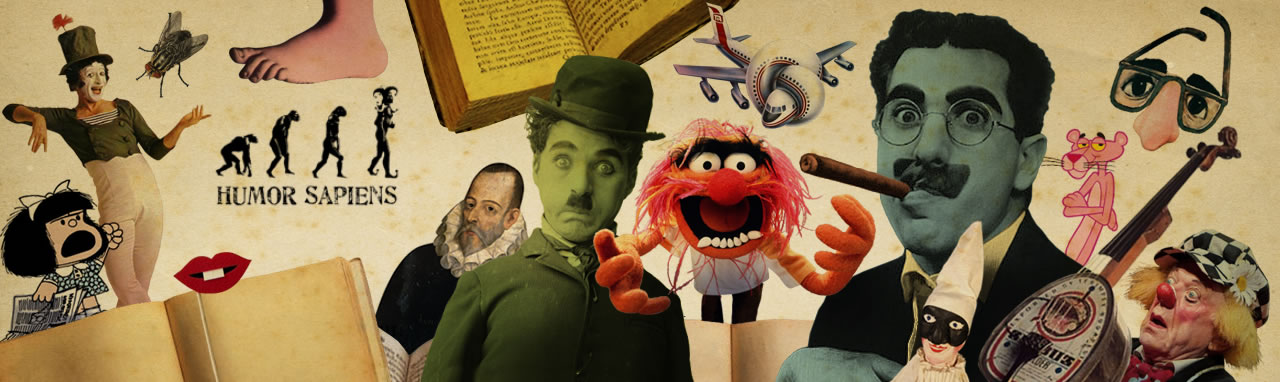
Estas reflexiones surgen al considerar la importancia de premiar a las personalidades que destacan en la investigación y dinamización de este arte, filosofía y creación humana. En este sentido, el Premio Humor Sapiens constituye un hito histórico y algo verdaderamente especial dentro de este universo. Curiosamente —o precisamente por esa misma razón—, fue creado por uno de los mayores pensadores, investigadores y creadores del ámbito del humor, lo que imposibilita otorgárselo a él, quien es, sin duda, quien más lo merece. Ironías de la vida.
Disculpa, Pepe, por este desahogo y por las molestias que esto pueda causarte. Te reto, pues, a hablar conmigo sobre esta cuestión. Tampoco puedo dejar pasar la oportunidad de mencionar a otro gran investigador y dinamizador de las artes de la caricatura y el cómic: el recientemente fallecido John Lent (1936-2026). Lo conocí personalmente en 1996, durante un encuentro mundial de editores de *WittyWorld* en Estambul, y lo vi por última vez en 2011 en el Festival Internacional de Cómic de Amadora (Portugal), donde ejercía como comisario de AmadoraCartoon y, ese mismo año, también como comisario de la exposición central dedicada al humor. Participamos juntos en un coloquio magnífico. Un gran hombre y un gran investigador a quien debemos mucho.
¿Está ya todo dicho y el resto son solo variaciones, o queda aún mucho más por decir? ¿Cuál es la importancia de este premio?
Osvaldo Macedo de Sousa
Segunda voz
Me desafía mi amigo y vecino Osvaldo para que intente responder en mi espacio un ramillete de preguntas que se hizo en el suyo.
Escojo la siguiente como la primera: ¿se puede definir el humor? Recopilo entonces comentarios de varios pensadores al respecto:
Dice George Bernard Shaw: “El humor no puede ser definido. Es una sustancia primaria que nos hace reír: sería tanto como tratar de probar un dogma.” (Citado por Miguel Salabert en el prólogo a la Antología dehumoristas franceses contemporáneos).
Paul Valèry, por su parte (citado en la misma obra), se refiere de este modo a los intentos de definir el humor: “Cada proposición que contiene un intento de definición modifica su sentido; de manera que este mismo sentido no es rigurosamente más que el conjunto estadístico de las frases que lo contienen y que vengan a contenerlo”.
Gilbert K. Chesterton habla del humorismo en el mismo sentido: “Se trata de una expresión que no sólo rechaza toda definición sino que, en cierto modo, se jacta de ser indefinible; y suele considerarse como una deficiencia humorística tratar de buscar una definición del humorismo” (Cuatro granujas sin tacha. La salsa de la vida y otros ensayos).
En cambio, Noel Clarasó (en su Iconografía del chiste) afirma: “Se han impreso muchas páginas con el intento de definir el humor. Y hasta se ha dicho, erróneamente, que el humor es indefinible.”
A lo anterior debemos agregarle la cantidad de estudios que se han hecho sobre el humor, pero lamentablemente, confundiendo humor con risa. Porque estudian la risa y creen que con eso definen humor, sin tener en cuenta las variadas fuentes de risa que no son por causa del humor.
Y le añado “otro pelito a la sopa”: aumenta significativamente la confusión porque la palabra “humor”, tienes tres acepciones distintas.
1-Humor, como ejercicio del sentido del humor.
2-Humor como estado de ánimo (estoy de buen o mal humor).
3-Humor como género artístico.
Entonces muchos, con buenas intenciones, definen el humor desde el estado de ánimo o desde el humorismo y todo se enreda aún más.
Es cierto lo que afirma mi colega Osvaldo, él y yo hemos tratado de definirlo y en ocasiones no coincidimos.
No pretendo que siempre seamos todos exhaustivos ―lo cual es casi imposible en un terreno tan amplio― ni definitivos ―imposible también en este terreno, como decía, donde campean la subjetividad y un amplísimo espectro de criterios y enfoques, a veces demasiado estrechos o acotados, y otros tan amplios que resultan difusos.
Sin dudas, es comprensible este pantano conceptual en una materia que atañe a la naturaleza del ser humano pero que no comenzó a ser observada, pensada y estudiada de modo sistemático hasta fechas recientes.
En mi caso, he decidido definir el humor desde el punto de vista de la psicología integral y alejarme del caos de las otras definiciones.
Pero sí hay algo seguro en todo esto: no hay nada seguro.
Cada cierto tiempo los científicos y pensadores descubren o crean alguna teoría nueva y atrás vamos nosotros acomodando las nuestras.
Soy de la opinión que es importarte teorizar de todas maneras. ¿Por qué? Para mejorarle el camino a los que intentan estudiar los conceptos que consideramos fundamentales para entender los fenómenos principales del humor y la comicidad.
No voy a evitar el tema que propones, querido Osvaldo, sobre el Premio Internacional Humor Sapiens 2026, cuya convocatoria cierra el 10 de octubre.
Al igual que tú creo que era necesaria su existencia.
Para que el que no lo conoce, le informo que se crea con el propósito de reconocer y estimular anualmente el estudio, la reflexión y la promoción del humor como fenómeno cultural, artístico, social y humano.
El premio busca destacar la labor de quienes, desde la investigación, la docencia, la crítica, la creación o la gestión cultural, contribuyen significativamente a la comprensión, valoración y difusión del humor en sus múltiples dimensiones.
Lástima que no se lo pudimos otorgar al gran John Lent, como bien dices, por su fallecimiento este año, pero me consuela saber que fue finalista el pasado año.
En esa ocasión se lo entregamos a otro grande, a alguien excepcional, que lo merece muchísimo: Osvaldo Macedo de Sousa.
No sé si me lo merezca, amigo mío, te lo digo con sinceridad y te agradezco profundamente tus generosas palabras, pero ya me siento mil veces galardonado al crear este Premio y a la repercusión que ha tenido en nuestro universo del humor. Ese es mi mayor trofeo.
Y estoy muy feliz, porque sabes muy bien que los que amamos el humor tenemos la obligación de incentivarlo, promoverlo, difundirlo, apoyarlo, protegerlo, originarlo, homenajearlo y laurearlo. Eso hace humildemente Humor Sapiens.
Pepe Pelayo

Osvaldo Macedo de Sousa

Pepe Pelayo
Counterpoints for two voices | The Study of Humor
By: Osvaldo Macedo de Sousa and Pepe Pelayo
First Voice
Has everything been said about humor after so many centuries of philosophical interpretation, or has nothing been said at all?
The reality is that, regardless of the highly intellectual angle we might wish to impose upon it, humor is also a simple human reaction—manifesting with or without obvious comedy, and encompassing all the variations inherent in the instability of human moods.
Countless theories have been devised, challenged, fantasized, and attested to—attempts to explain this irreverent structure of human thought that emerged as a vital link in humanity's psychological survival. Influenced by the times, ideologies, or cultural conceptions of their eras, thinkers have adopted diverse views, opposing interpretations, and overlapping explanations. They have grappled with contrasts and incongruities, never quite achieving a harmony of dissonance or an irreverent unanimity. There is always a dissonant laugh challenging logical thought in this illogical game of philosophical comedy.
But why is it so difficult to define something that seems so simple? Does the problem lie in the simplicity of the question itself? Or is that simplicity merely apparent? Is it the perspective adopted at the outset of each interpretation? The structural approach chosen to grasp the object of analysis? The selection of examples factored into the equation? The cultural subjectivity of each interpreter in the quest for comic objectivity? The theorists' failure to comprehend the mystery of the creator's creativity—subjective and, at times, unconsciously incongruous? Or the arrogance of intellectuals who seek to theorize everything, even while feeling powerless to unravel the enigma of creation?
You and I, Pepe, have theorized extensively on this matter. We do not always see eye to eye—as is customary—though I believe this stems not from conceptual or philosophical antagonism, but rather from practical and cultural differences. You are a creative spirit as well as a theorist, whereas
I am merely a theorist and historian; we are shaped by the education we received and the cultures we inherited. Added to this are the existential experiences and the reading we have pursued throughout our lives. Ultimately, it is these latter elements that bring us closer and unite us, revealing that—however different we may think our ideas are—we share a bond in the smile and the hearty laugh.
Is it truly important to dissect every smile, every chuckle, and every burst of laughter in order to understand them?
Will such understanding clarify human reactions? Is this how we will grasp why power so loathes humor and fights against it?
One thing is certain: laughter is more fleeting than tears, and tragedy is more enduring than comedy. Through tragedy, demagoguery—whether religious, political, or rooted in lived experience—fuels its rhetoric and crafts fantasies that manipulate the collective mind; society becomes complicit in the institutionalized sorrow and pessimism that the people seem to love cultivating. Comedy, on the other hand—which exposes hypocrisy and falsehood, and embodies the irreverence of methodical doubt—is brief and easily misunderstood. Because it is so deeply rooted in the immediate present, it is quickly superseded and forgotten. Consumed by the dizzying, voracious nature of time, comedy is valued in the moment but, due to the way we are educated, ceases to be cultivated as an enduring smile; it unsettles us because it is realistic, forcing us to think critically about life—with a blend of bitter optimism and a hope that remains conscious of our own burlesque nature.
In short—without reaching a definitive conclusion, as is always the case—everything and nothing has been said about humor. Yet, it remains essential to continue investigating this art form, to promote the importance of this mode of existence, and to energize this philosophical line of thought so that stupidity and cultural illiteracy do not triumph and impose themselves as a dominant, oppressive policy.
These reflections stem from the significance of honoring figures who excel in the study and promotion of this art, philosophy, and human creative endeavor. In this specific context, the Humor Sapiens Award stands as a historic milestone—a truly special entity within this universe.
Curiously—or perhaps precisely because of this—it was created by one of the greatest thinkers, researchers, and creators in the field of humor, making it impossible to bestow the award upon him, even though he is undoubtedly the most deserving recipient. Such are the ironies of life.
Forgive me, Pepe, for this outpouring of thoughts and for any trouble I’ve caused you. I challenge you, then, to discuss this matter with me.
I also cannot let this opportunity pass without mentioning another great researcher and promoter of the arts of cartoons and comics: the late John Lent (1936–2026). I met him in person in 1996 at a global *WittyWorld* editors' meeting in Istanbul, and saw him for the last time in 2011 at the Amadora International Comics Festival in Portugal. There, he served as the curator for AmadoraCartoon and—that year—also as the curator of the central exhibition dedicated to humor.
We held a magnificent colloquium together. A great man and a great researcher to whom we owe a great deal.
Has everything been said, with the rest merely variations—or is there much more to say?
What is the importance of this award?
Osvaldo Macedo de Sousa
Second Voice
My friend and neighbor Osvaldo has challenged me to try to answer, in my own space, a bouquet of questions he posed in his.
I'll pick the following as the first one: can humor be defined? So let me gather some comments from various thinkers on the matter:
George Bernard Shaw says: "Humor cannot be defined. It is a primary substance that makes us laugh: trying to do so would be like trying to taste a dogma." (Quoted by Miguel Salabert in the prologue to the Anthology of Contemporary French Humorists).
Paul Valéry, for his part (quoted in the same work), speaks of attempts to define humor this way: any proposition that attempts a definition ends up altering the very meaning it's trying to pin down, so that meaning is really nothing more than the statistical sum of all the sentences that have tried, and keep trying, to capture it.
Gilbert K. Chesterton speaks of humor in the same vein: "It is an expression which not only defies all definition but, in a way, takes pride in being undefinable; and it is usually considered a lapse of humor itself to go looking for a definition of humor" (Four Faultless Felons. The Spice of Life and Other Essays).
Noel Clarasó, on the other hand (in his Iconografía del chiste), states: "Many pages have been written attempting to define humor. It has even been said, mistakenly, that humor is undefinable."
To all this we should add the sheer number of studies that have been done on humor, which unfortunately confuse humor with laughter. They study laughter and believe that, in doing so, they've defined humor, without taking into account the many sources of laughter that have nothing to do with humor.
And let me add "one more hair to the soup": the confusion grows considerably because the word "humor" has three distinct meanings.
- Humor as the exercise of a sense of humor.
- Humor as a mood (being in a good or bad humor).
- Humor as an artistic genre.
So many people, with good intentions, define humor starting from mood or from humorism, and everything gets even more tangled.
What my colleague Osvaldo says is true: he and I have both tried to define it, and at times we don't agree.
I don't expect us all to be exhaustive—which is nearly impossible in such a vast field—nor definitive, also impossible in this terrain, where, as I said, subjectivity reigns alongside an enormously wide spectrum of criteria and approaches, some too narrow or restrictive, others so broad they become diffuse.
This conceptual swamp is certainly understandable in a subject that touches on human nature itself but wasn't observed, thought through, and studied systematically until fairly recent times.
In my own case, I've decided to define humor from the standpoint of integral psychology and to steer clear of the chaos of other definitions.
But one thing is certain in all of this: nothing is certain.
Every so often scientists and thinkers discover or come up with some new theory, and we go along behind them, adjusting our own.
I'm of the opinion that theorizing is worthwhile regardless. Why? To smooth the path for those trying to study the concepts we consider fundamental to understanding the main phenomena of humor and comedy.
I won't dodge the topic you raise, dear Osvaldo, about the 2026 Humor Sapiens International Award, whose submission period closes on October 10.
Like you, I believe its existence was necessary.
For those who don't know it, I'll mention that it was created with the purpose of annually recognizing and encouraging the study, reflection, and promotion of humor as a cultural, artistic, social, and human phenomenon.
The award seeks to highlight the work of those who, through research, teaching, criticism, creation, or cultural management, contribute significantly to the understanding, appreciation, and dissemination of humor in its many dimensions.
It's a shame we couldn't award it to the great John Lent, as you rightly note, given his passing this year, but I take comfort in knowing he was a finalist last year.
On that occasion we gave it to another great figure, someone truly exceptional who deserves it enormously: Osvaldo Macedo de Sousa.
I don't know if I deserve it, my friend—I say this sincerely, and I'm deeply grateful for your generous words—but I already feel a thousand times rewarded just by having created this Award and by the impact it's had on our world of humor. That's my greatest trophy.
And I'm very happy, because you know very well that those of us who love humor have an obligation to encourage it, promote it, spread it, support it, protect it, originate it, honor it, and celebrate it. That is what Humor Sapiens humbly tries to do.
Pepe Pelayo
(This text has been translated into English by ChatGPT)